Mobile + Web, Product Design
Matchday: Product Designer
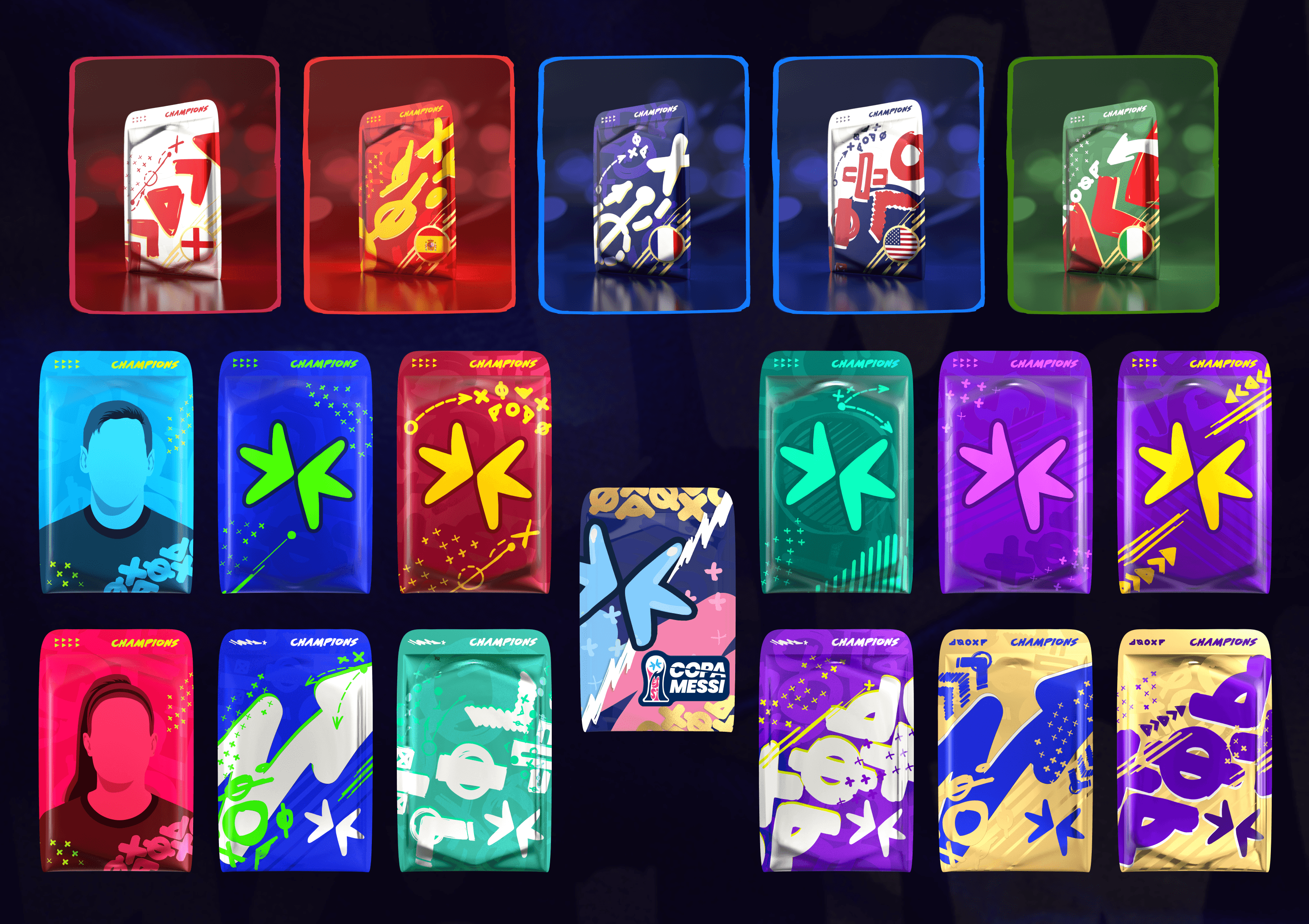
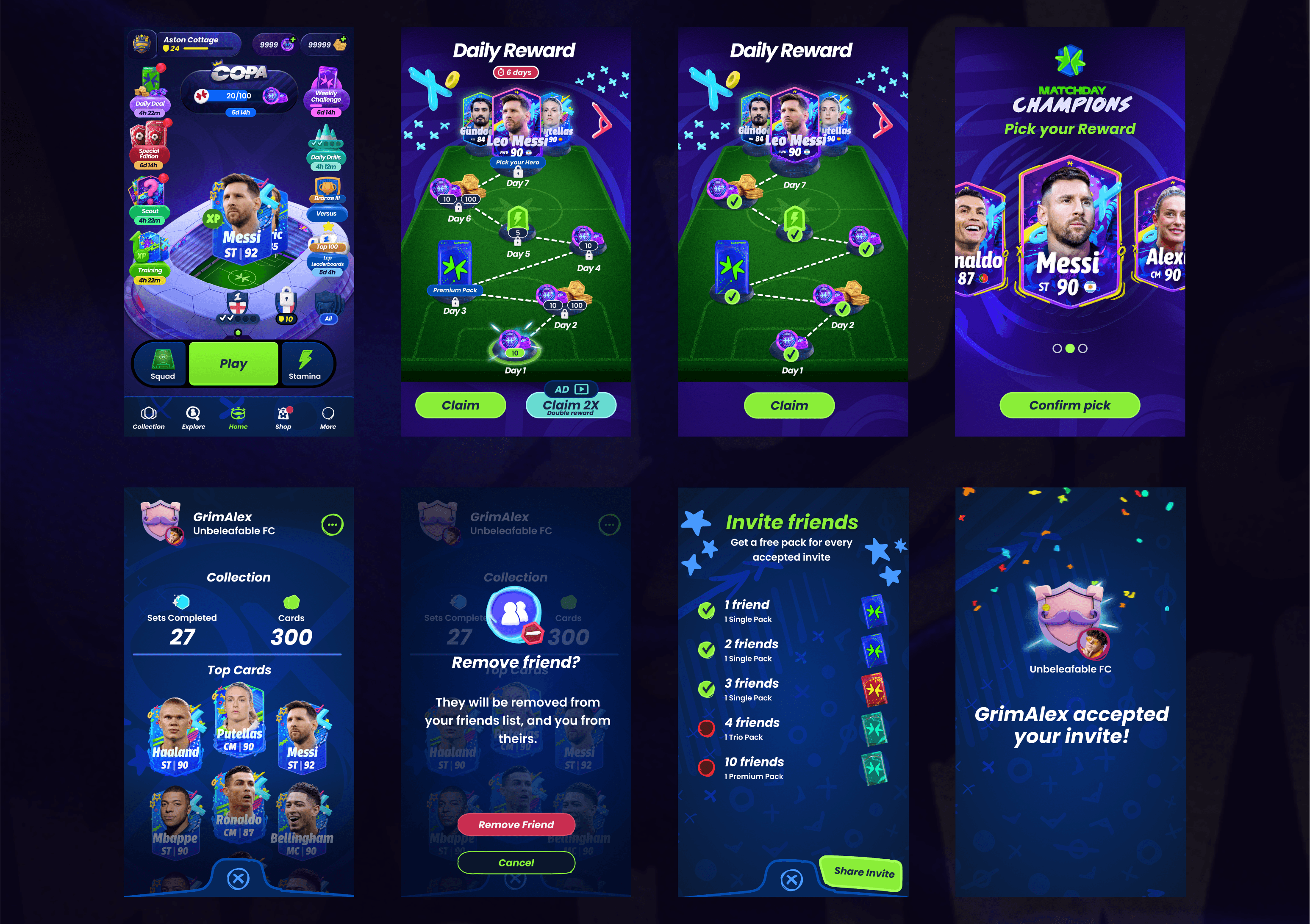
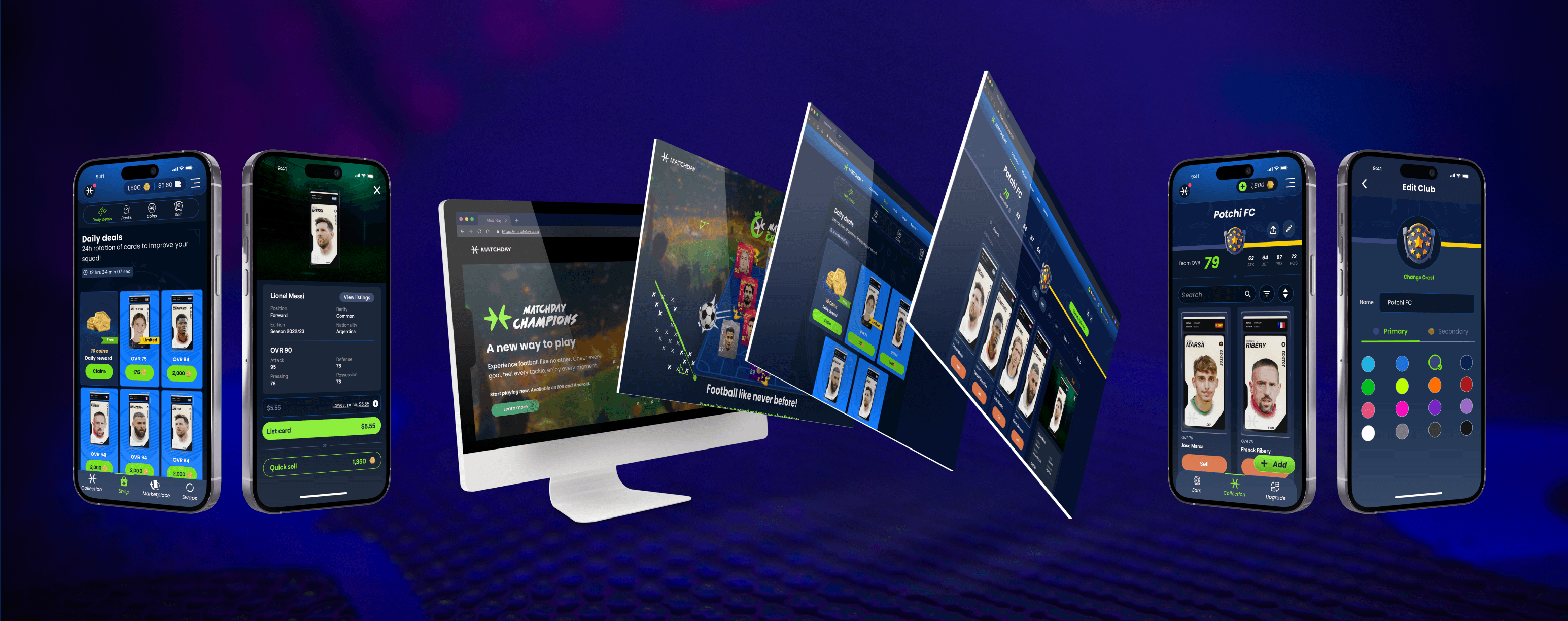
As a Product Designer on the Platform team at Matchday, I worked across web, mobile, and internal tools to support both the core platform (matchday.com) and the casual football mobile game Matchday Champions. My role involved designing user-facing features, ensuring UX/UI consistency between the website and the game, and improving internal tools for content creation and player rewards. I contributed to both the admin tool’s UI/UX—used by teams to manage live content and player engagement—and to the Game Studio team, where I designed features like Daily Rewards, Invite Friends, and collectible player cards. My work also included 3D modeling and card design, ensuring a cohesive visual and interactive experience across platforms.
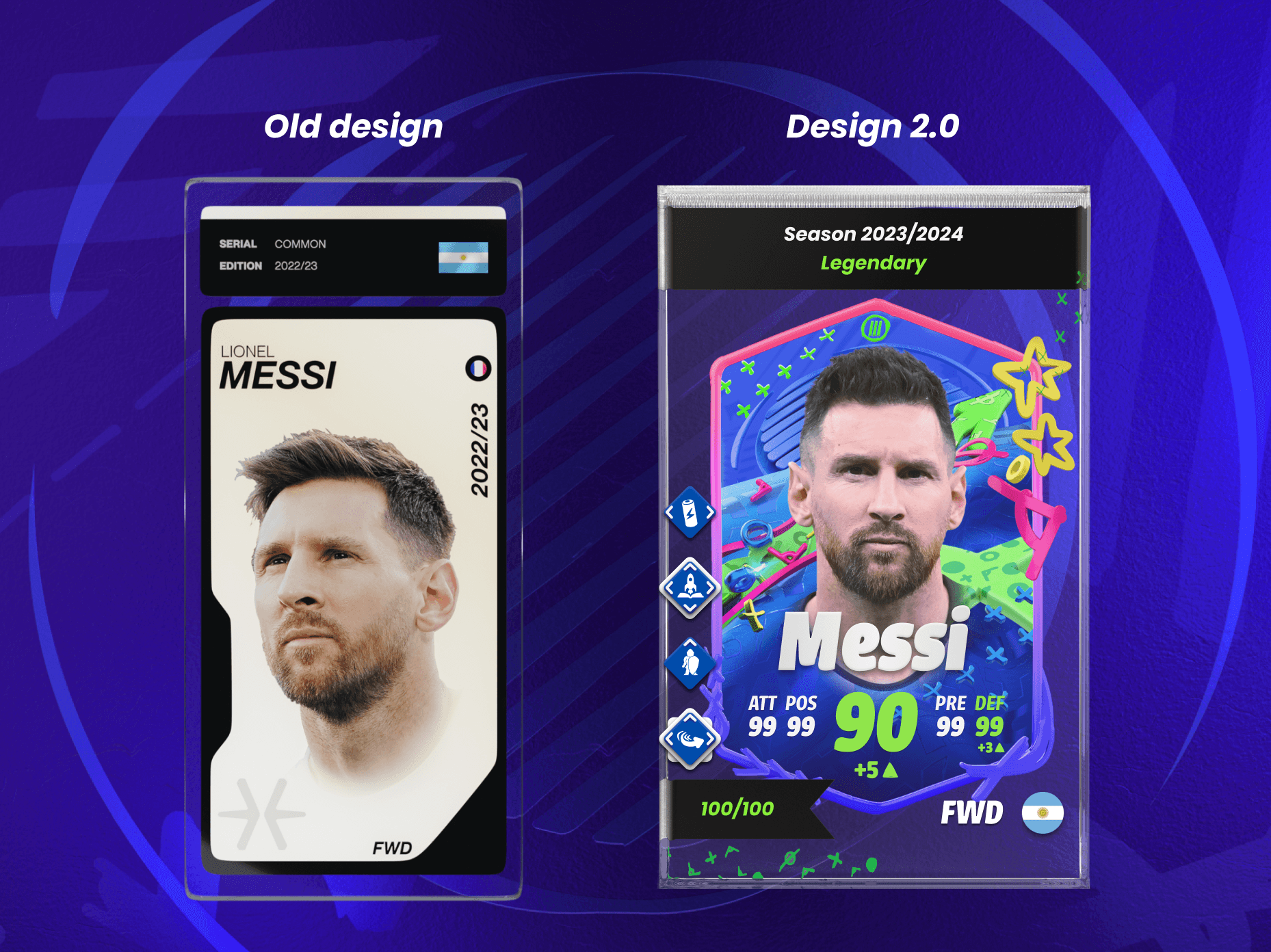
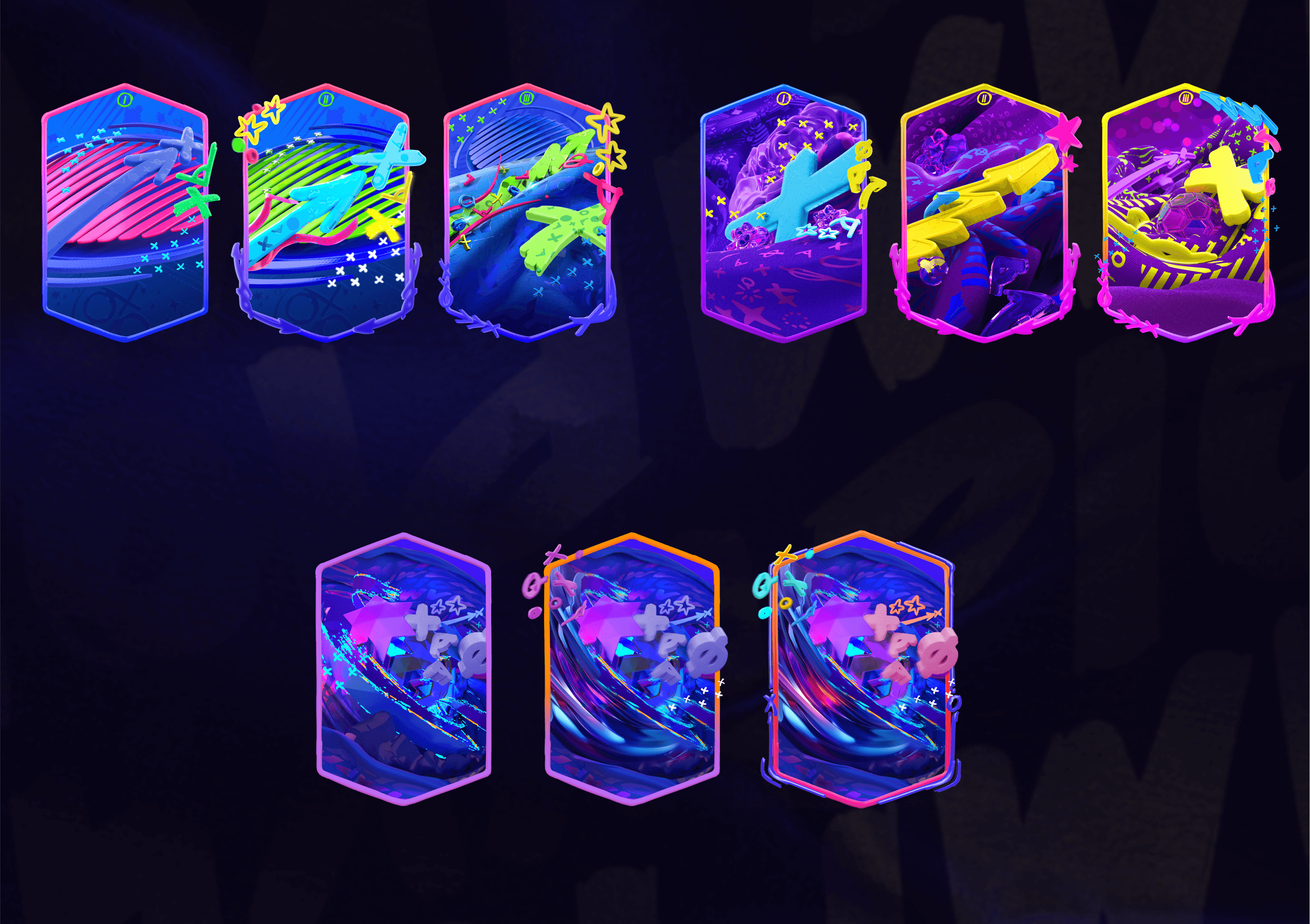
Redesign of Matchday.com’s player cards to align visually with Matchday Champions while tailoring them specifically for the platform experience. My goal was to make the cards feel like digital collectibles — something worthy of display — while adding meaningful layers of utility and clarity for the user.
Preserved the glass casing effect as part of our core visual language, reinforcing the idea of cards as collectible, premium items while keeping continuity with the existing system.
Maintained visual parity with Matchday Champions while introducing platform-specific styling. The design balances familiarity across both products with a refined display aesthetic unique to Matchday.com.
Added OVR and key player stats directly to the card surface, giving users instant context about performance without needing to dive deeper.
Incorporated player traits and skills visually to showcase what makes each card strategically unique, supporting more informed gameplay decisions.
Designed new visual layers to indicate card quality, such as rarity, edition types, and special event markers — helping players quickly recognize value and status within their collection
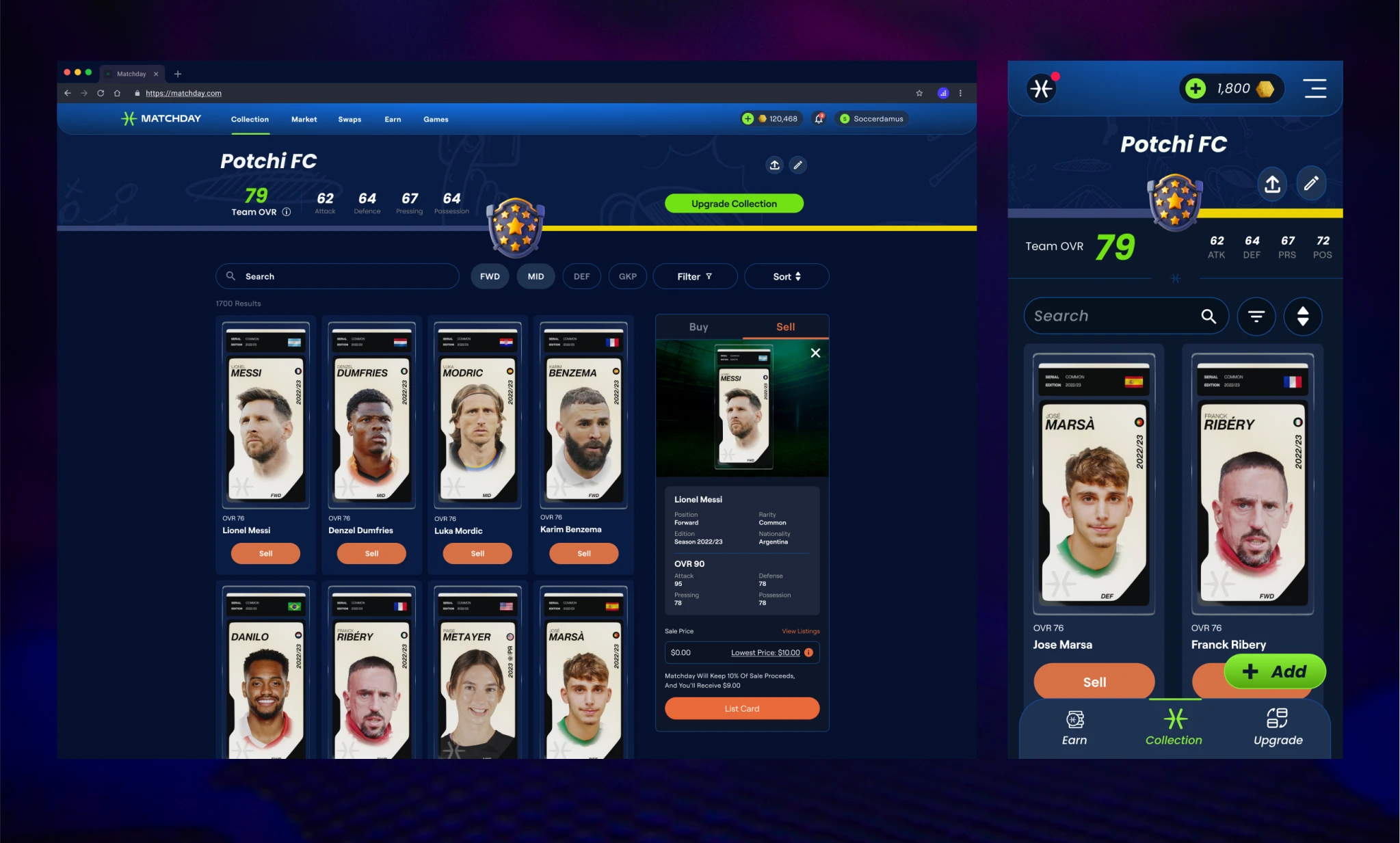
Problem + Goal
🔍 Problem: Players lacked a sense of ownership and continuity across the Matchday ecosystem. The web platform didn’t reflect the clubs users built in Matchday Champions, making the experience feel like a utility rather than a home base.
🎯 Goal: Evolve Matchday.com into a personalized hub. Let users name their club, choose a crest, and select club colors—making identity expression central to the platform and enhancing emotional connection.
Role + Process
Research: Audited popular customization flows from games like FIFA Mobile, then adapted ideas to suit Matchday’s brand, tech constraints, and player behaviors.
UX Design: Created wireframes and interactive prototypes focused on clarity and delight—especially on mobile, where most traffic lives.
UI System: Extended the existing design system to support club theming (e.g. dynamic color pairs) and ensured accessibility at every step.
Collaboration: Partnered with engineering to solve real-time preview challenges, and with PMs to align on MVP vs. roadmap iterations.
Solution
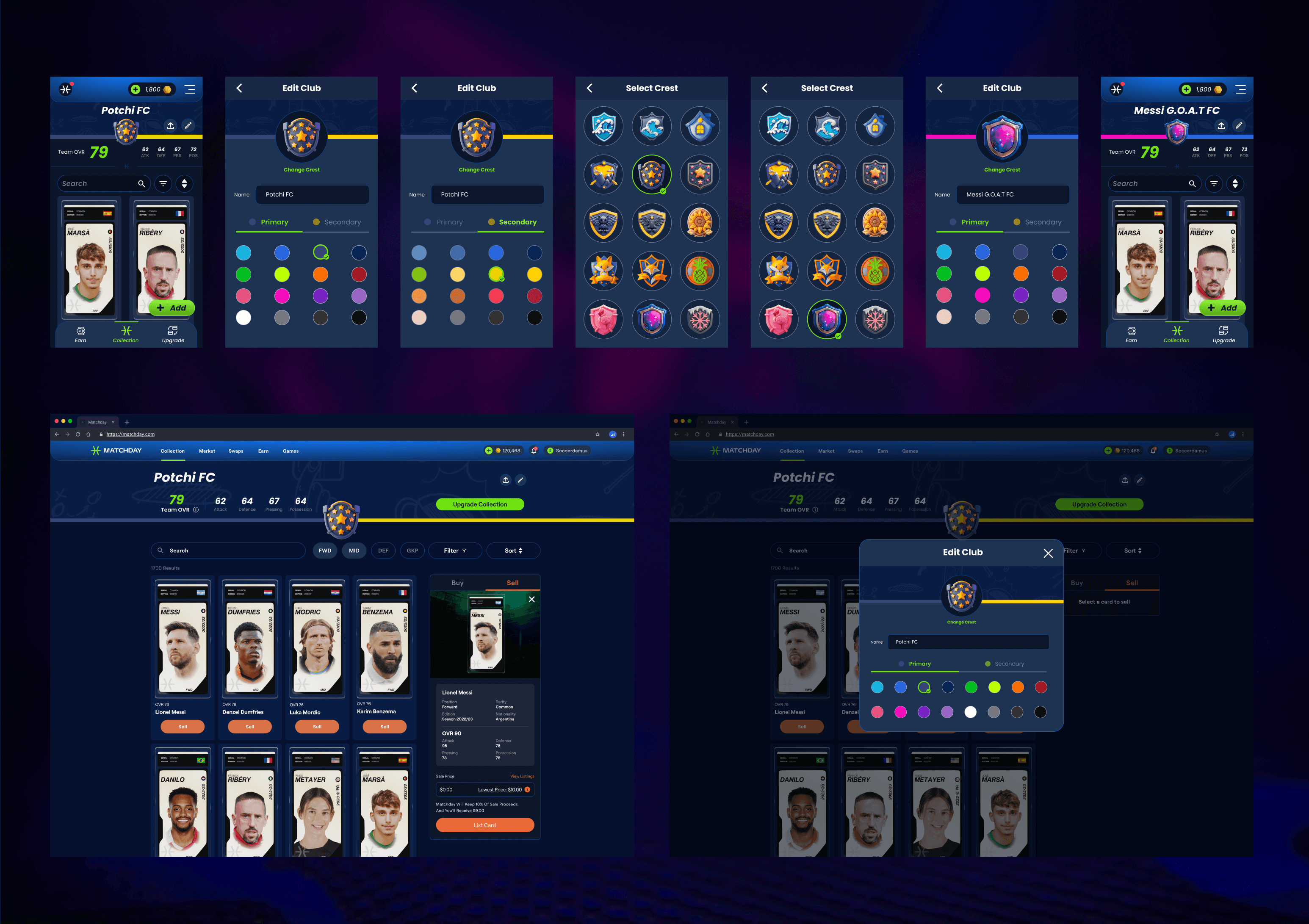
I designed and shipped a full Club Customization feature, integrated directly into the Collections page. This update allowed players to:
Rename their club
Choose a club crest
Set primary and secondary team colours
See real-time visual previews of the change
By embedding it into a page players already frequented, we ensured maximum visibility and engagement. Customization became part of the platform’s DNA, not a buried settings menu.
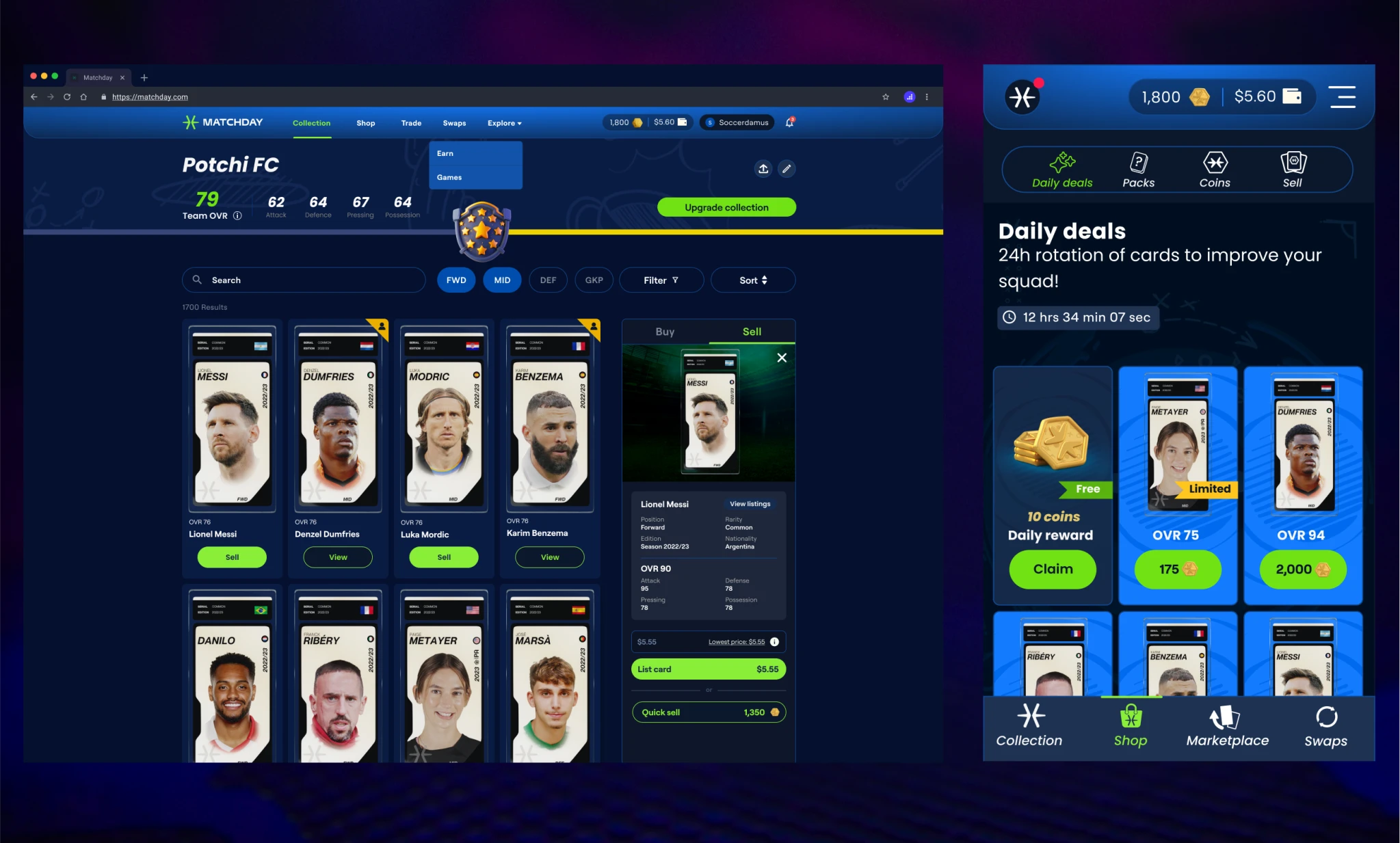
03/ Shop Revamp
More Utility, More Rewards
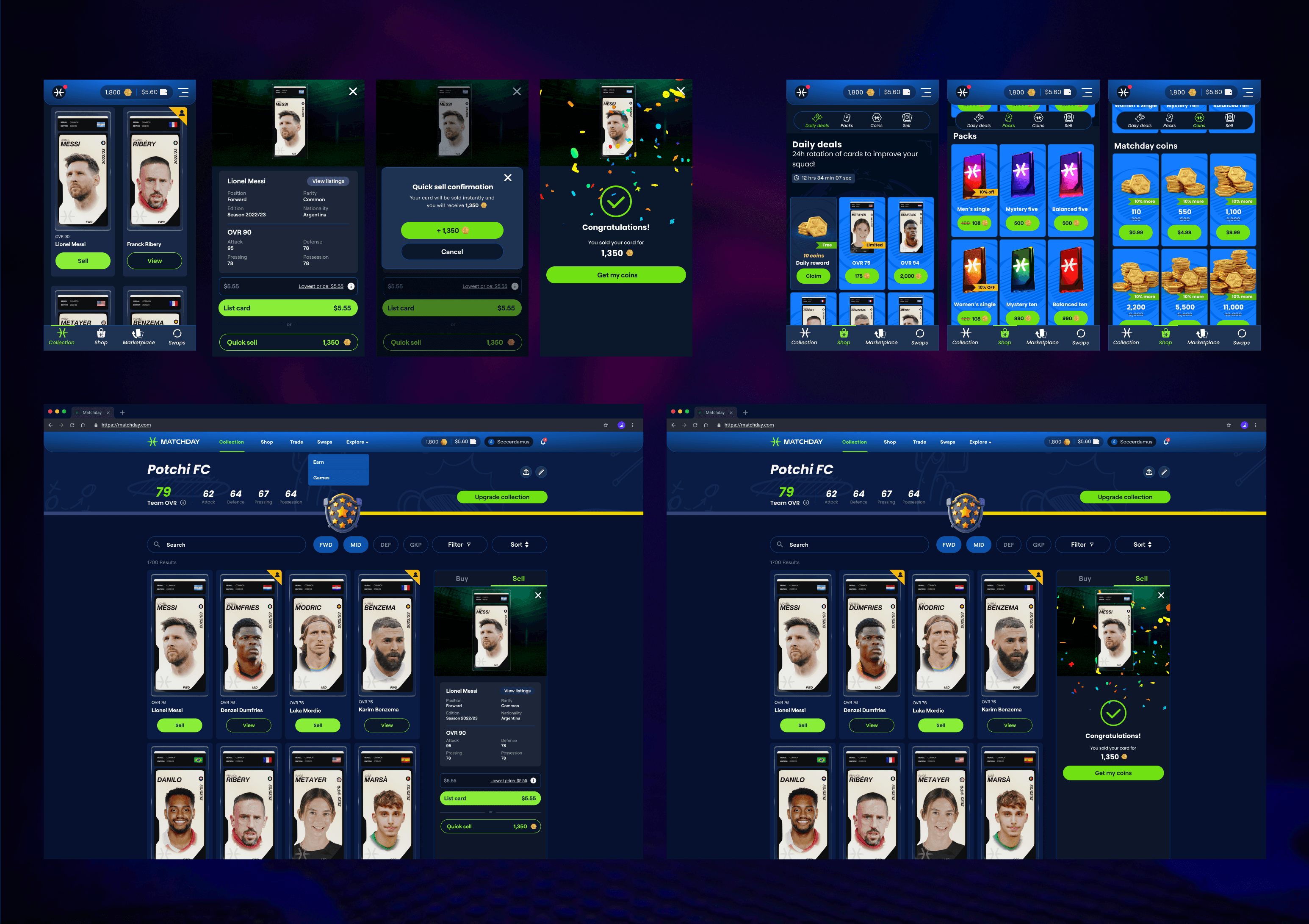
The feature rollout drove meaningful results across the platform. Shop traffic jumped by 42% within the first month, and Quick Sell quickly became the go-to method for managing duplicates and low-value cards. The Daily Reward feature averaged a 78% claim rate, fueling both day-1 and day-7 retention. Altogether, these shifts helped reposition the Shop as a core part of the ecosystem—something players actually wanted to return to, not just a monetization layer.
Problem + Goal
🔍 Problem: The original Shop was static and underused. Players had limited reasons to engage with it beyond initial curiosity. There was no incentive to return daily, and the only way to extract value from cards was to list them on the real-money Marketplace — a high-friction, low-conversion experience for most users.
🎯 Goal: Make the Shop a core part of the platform’s daily loop by adding utility, reward mechanics, and fast, accessible value-exchange — all while aligning it visually with the evolving Matchday Champions brand.
Role + Process
Led the end-to-end redesign of the Shop experience, from feature definition to QA, as the sole Product Designer on the platform team.
Introduced new mechanics like Quick Sell (card-to-coin) and Daily Rewards to boost engagement, retention, and in-platform value loops.
Designed mobile-first, responsive UI tied to the Matchday Champions brand system, ensuring a cohesive cross-product identity.
Collaborated closely with PMs and engineers through scoped iterations, feedback loops, and live data insights to refine and ship a polished, high-impact experience.
Solution
Introduced Quick Sell: Let players instantly sell cards for Matchday Coins, reducing friction and creating a new use case for low-value cards.
Added a Daily Free Reward mechanic to spark return visits and increase session frequency.
Refreshed the Shop’s UI to match the look and feel of Matchday Champions, creating visual consistency across the product suite.
04/ Internal Admin Tool
Complex Power, Simple UX
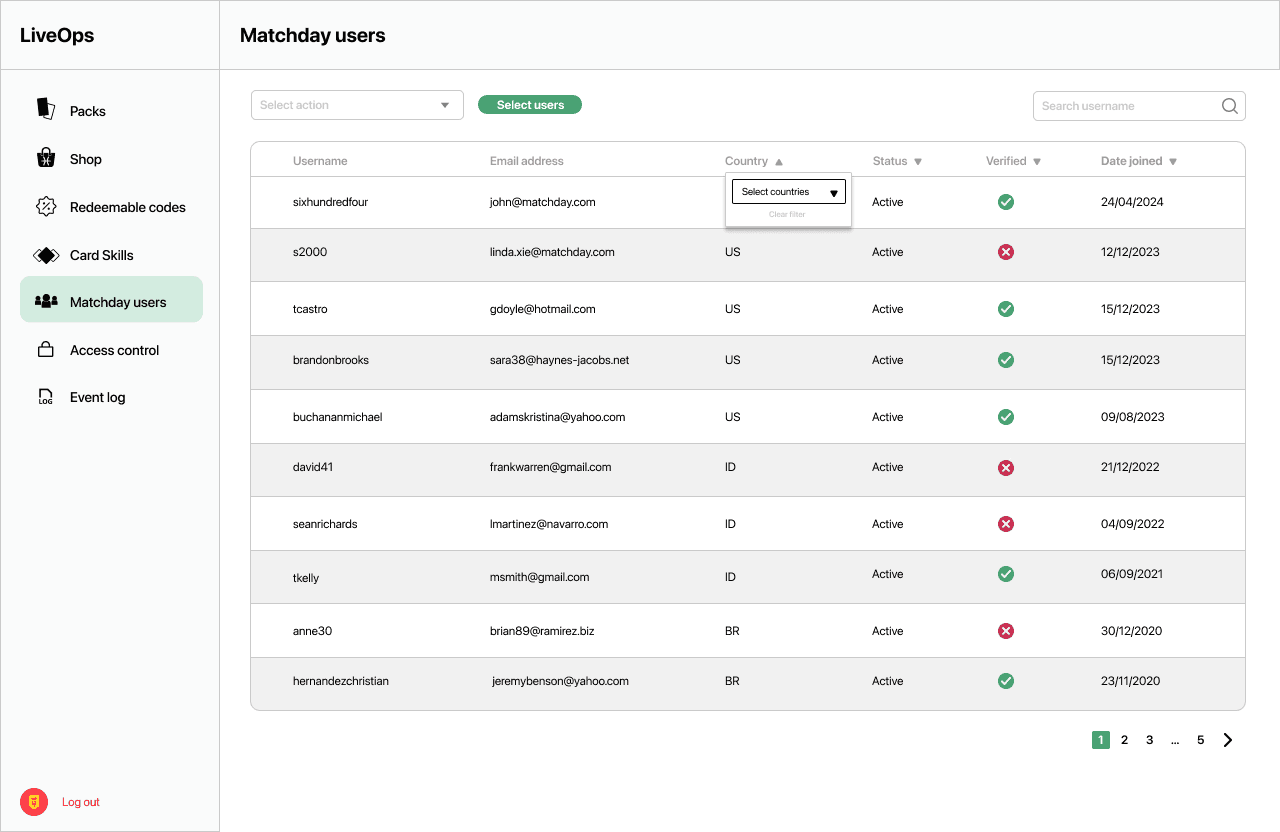
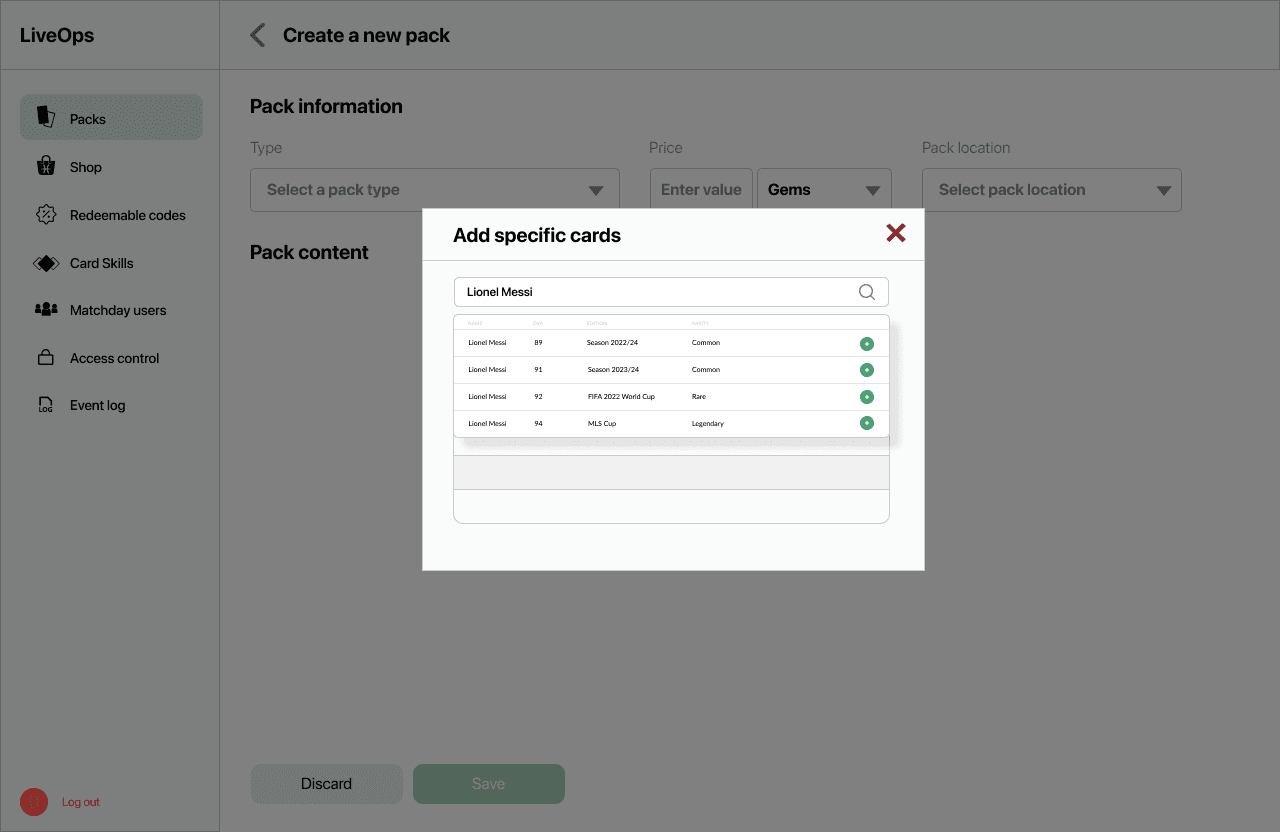
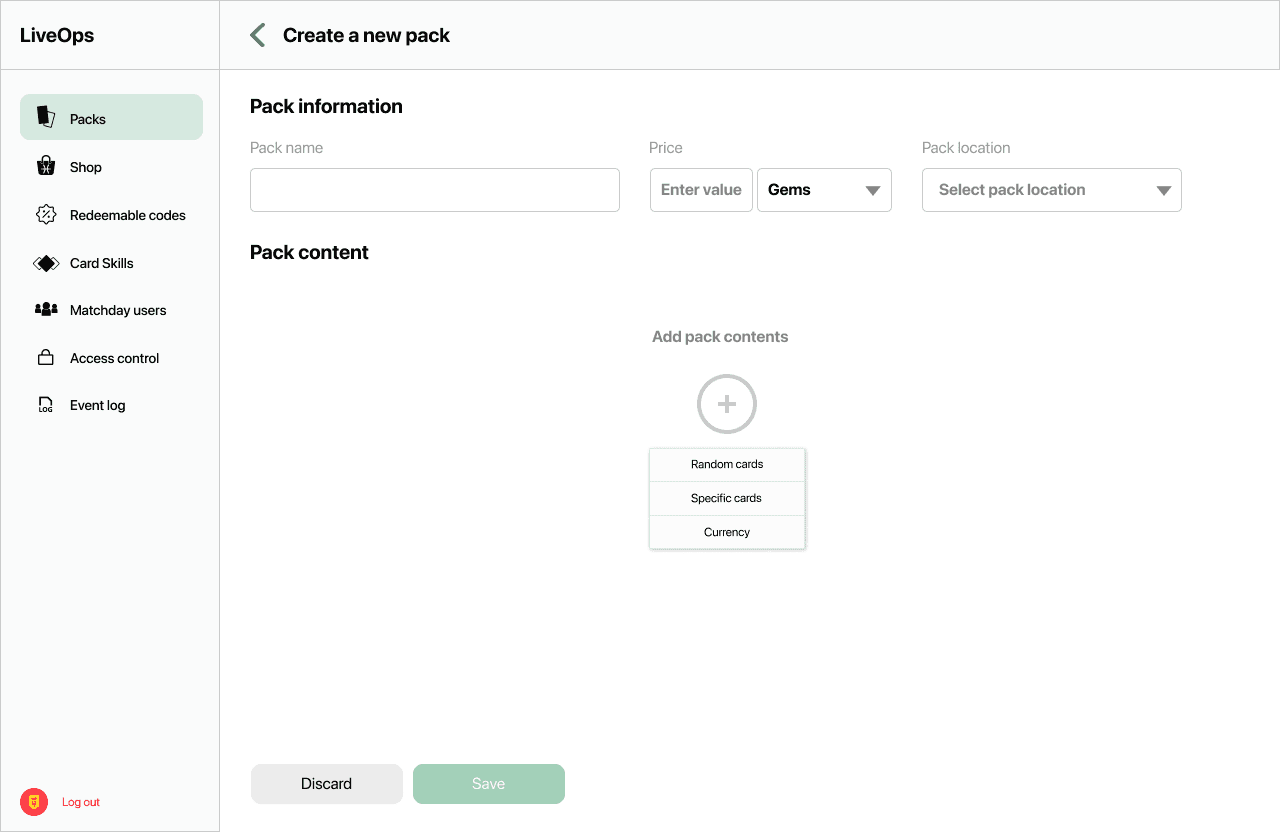
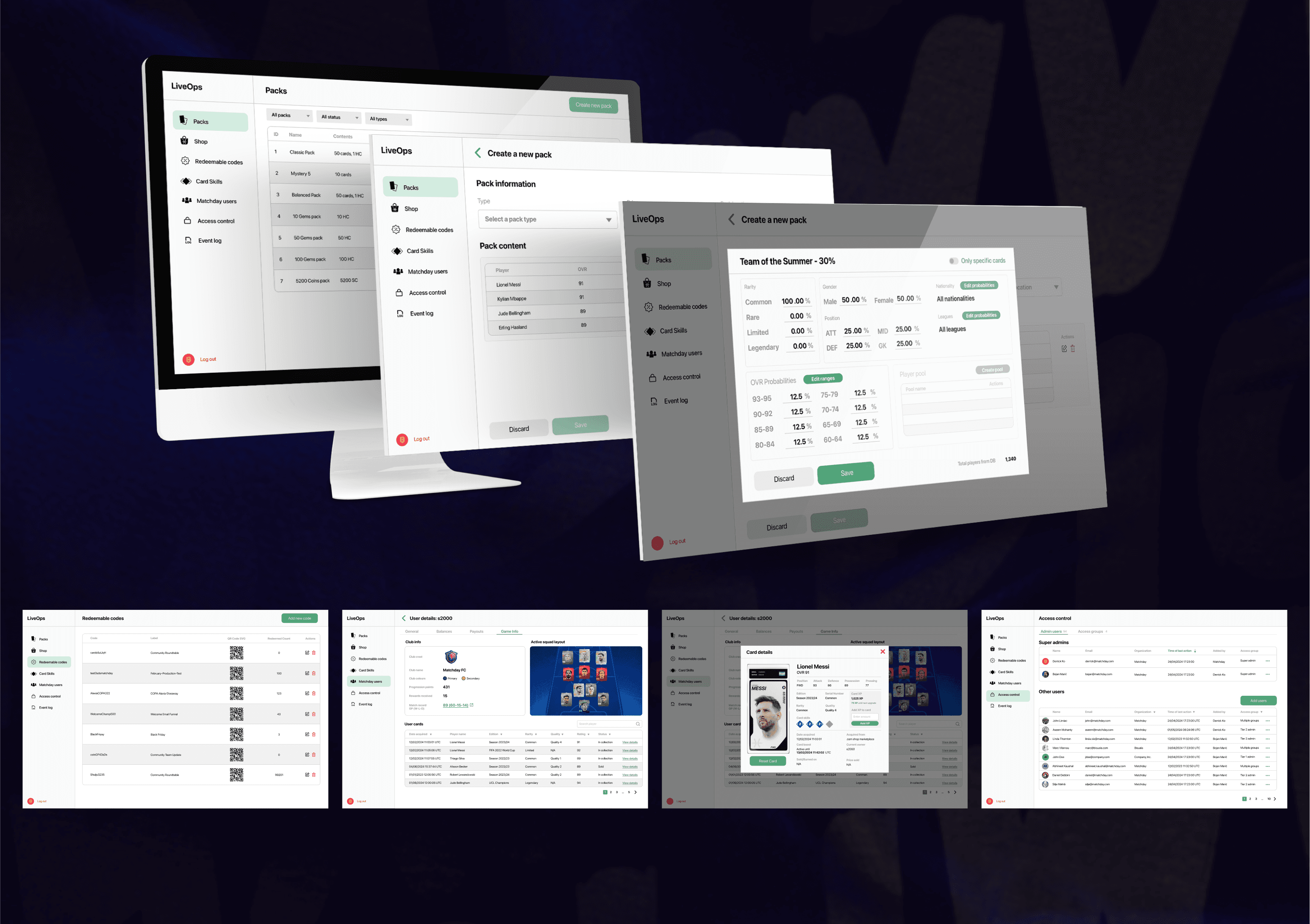
I designed the Internal Admin Tool from the ground up to give Matchday’s internal teams and contractors the ability to manage live game content — from creating and distributing rewards to configuring game features — all without relying on engineering support. The system needed to support powerful functionality like user group permissions, activity logs, and game-impacting actions, yet still feel approachable for a wide range of users. My goal was to balance complexity with simplicity — creating a robust backend system with a UI that feels clean, clear, and easy to navigate. Every interaction was designed with intention, making sure even non-technical users could confidently perform high-impact tasks without friction. The result is a tool that looks simple on the surface but supports a powerful set of internal workflows that scale with the company’s needs.
Problem + Goal
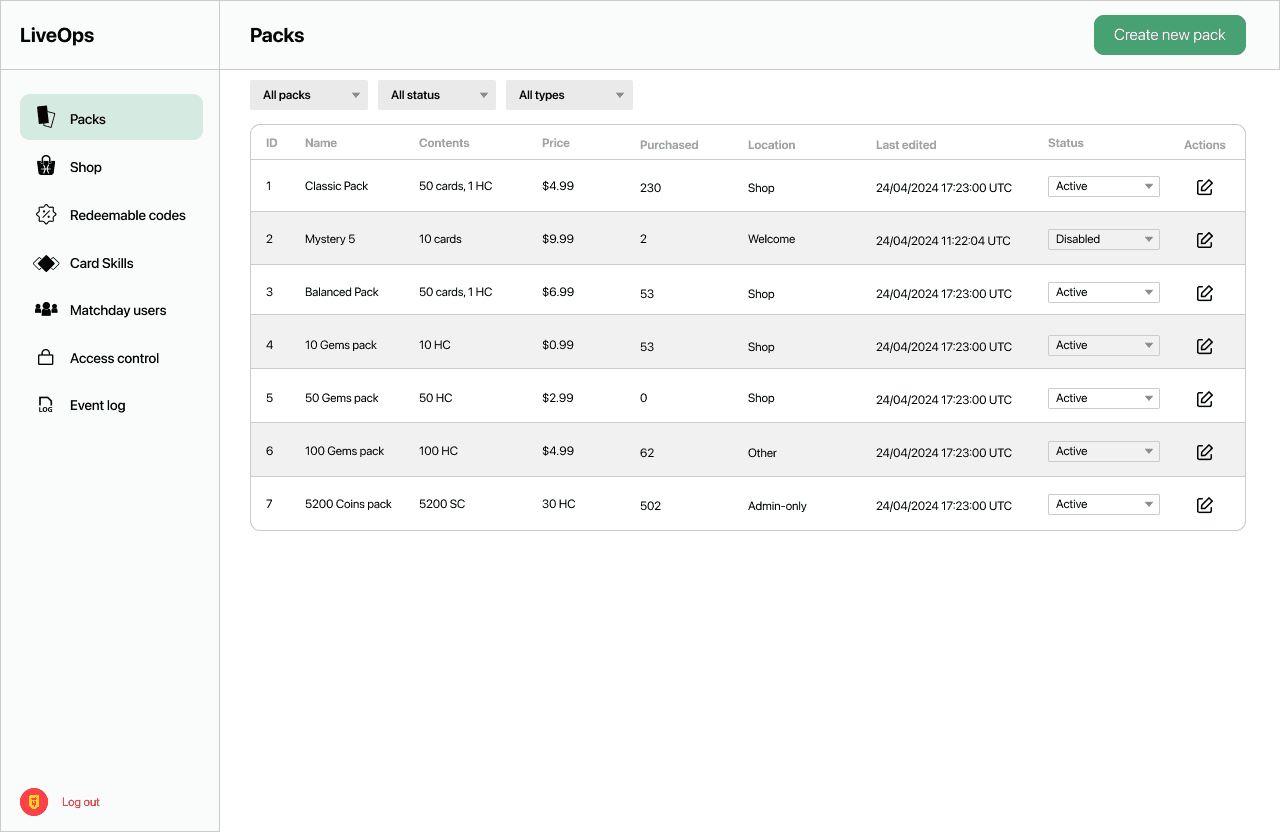
As Matchday scaled, our player base and internal team grew fast — but our tools didn’t. We were relying on disconnected platforms to manage users, review transactions, schedule packs, and deploy content. It slowed us down, created misalignments, and required constant engineering support just to ship routine updates. We needed a single, unified tool that would streamline internal workflows, keep our ecosystem safe, and allow teams to move fast — without compromising clarity or control.
Role + Process
I designed the tool end-to-end, starting with research into complex dashboards like Coinbase, Stripe, and crypto wallets to understand how they handled dense data with clean UI. I then ran internal user interviews with our Ops and Support teams to uncover pain points and mental models. Their feedback directly shaped the layout, permissions flow, and feature prioritization. I prototyped fast, iterated weekly, and shipped a system that felt powerful yet intuitive.
Solution
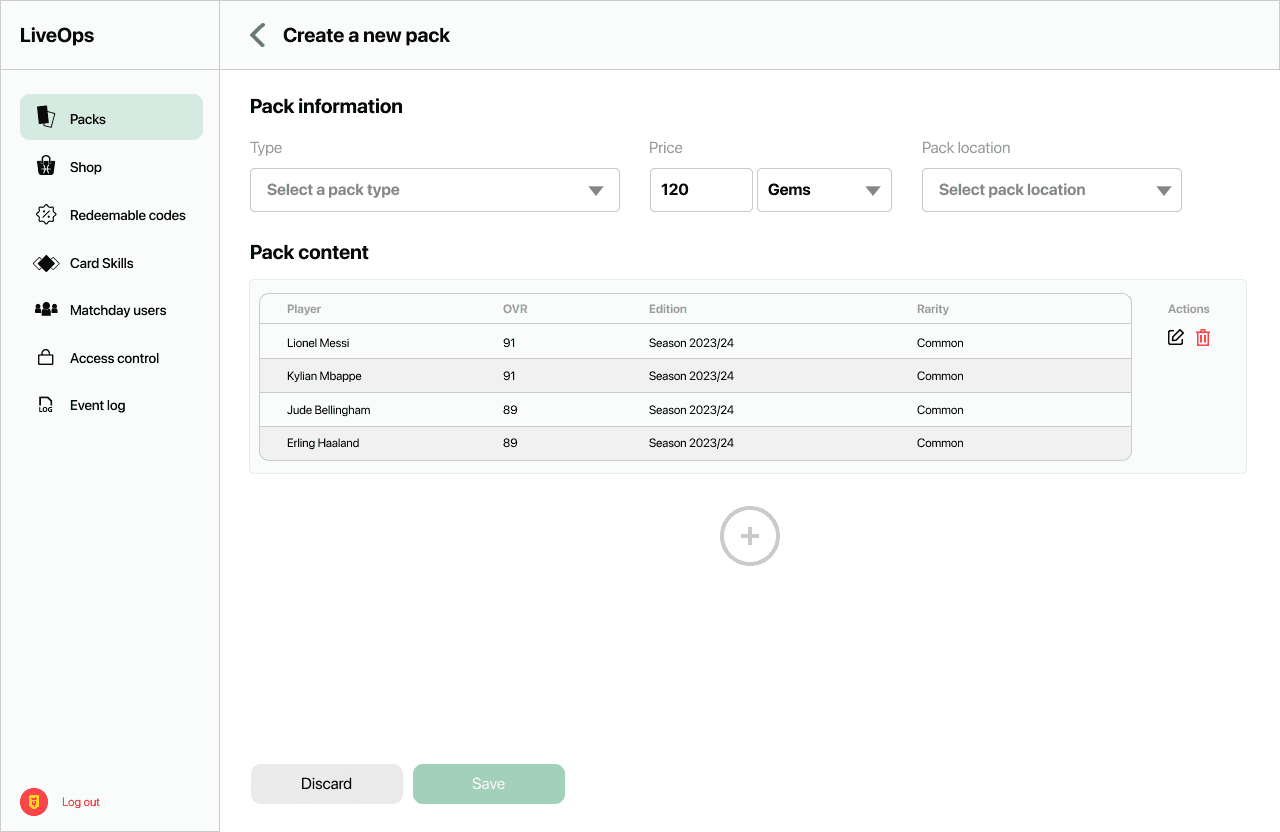
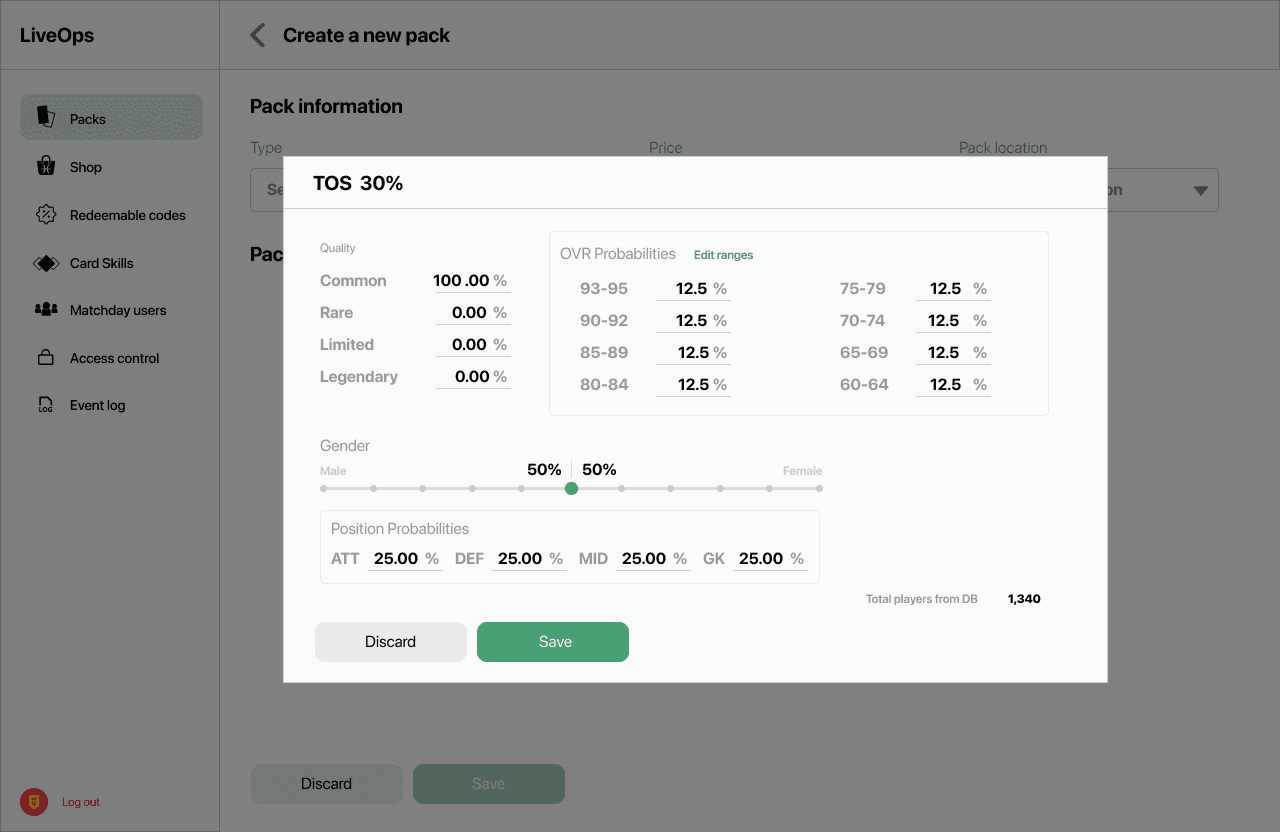
I designed a powerful yet approachable internal tool from the ground up. From User Management to LiveOps and Shop tools, every screen was built with speed, safety, and scale in mind. I introduced modular flows for managing player data, scheduling promotions, and deploying content — all within a clean, intuitive interface that reduced friction and empowered non-technical team members to own critical operations.
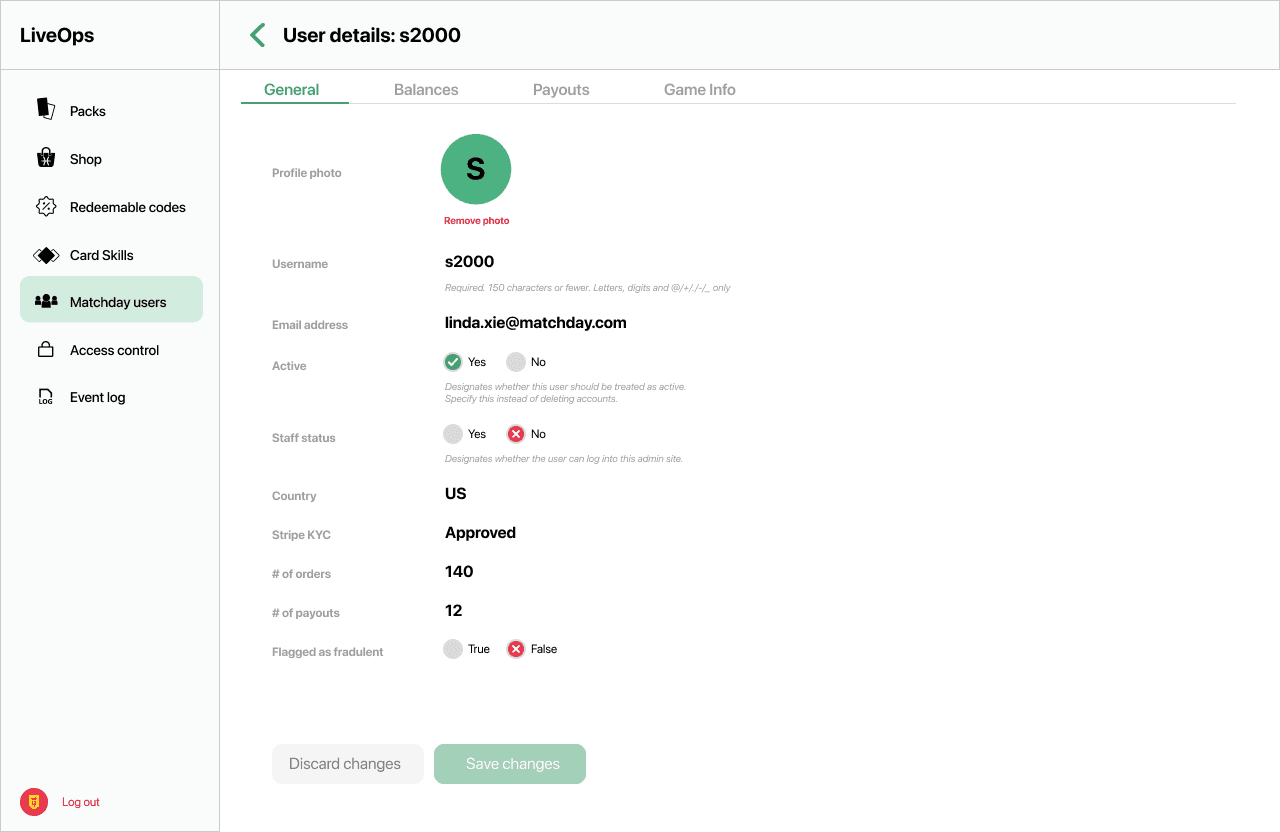
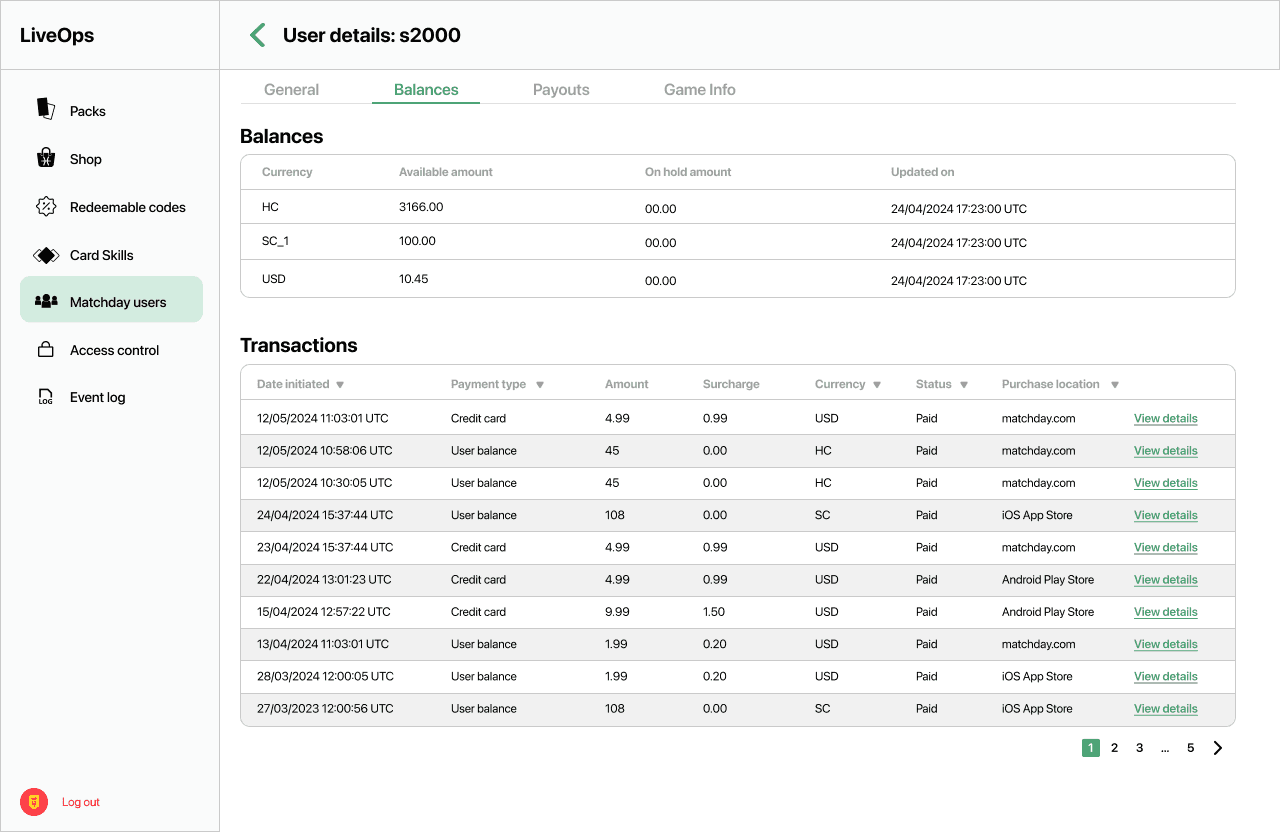
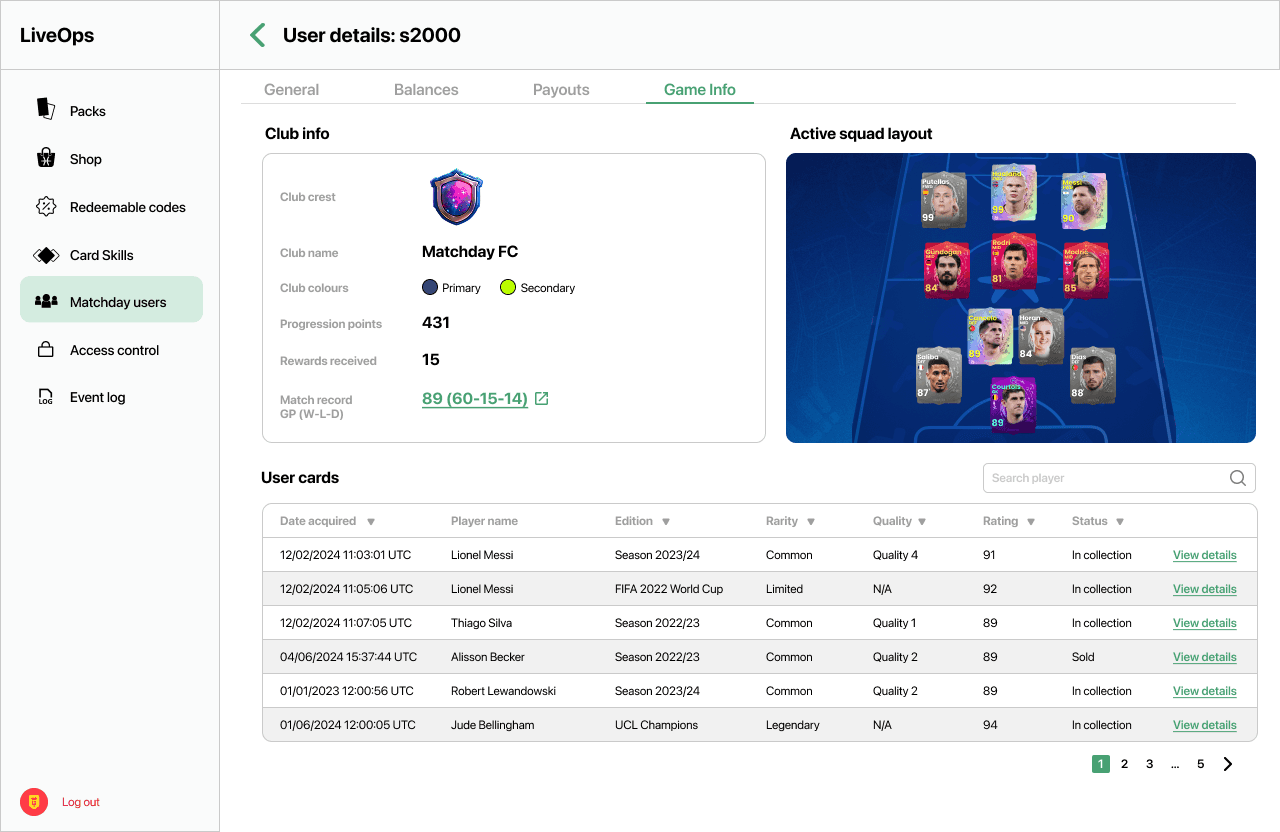
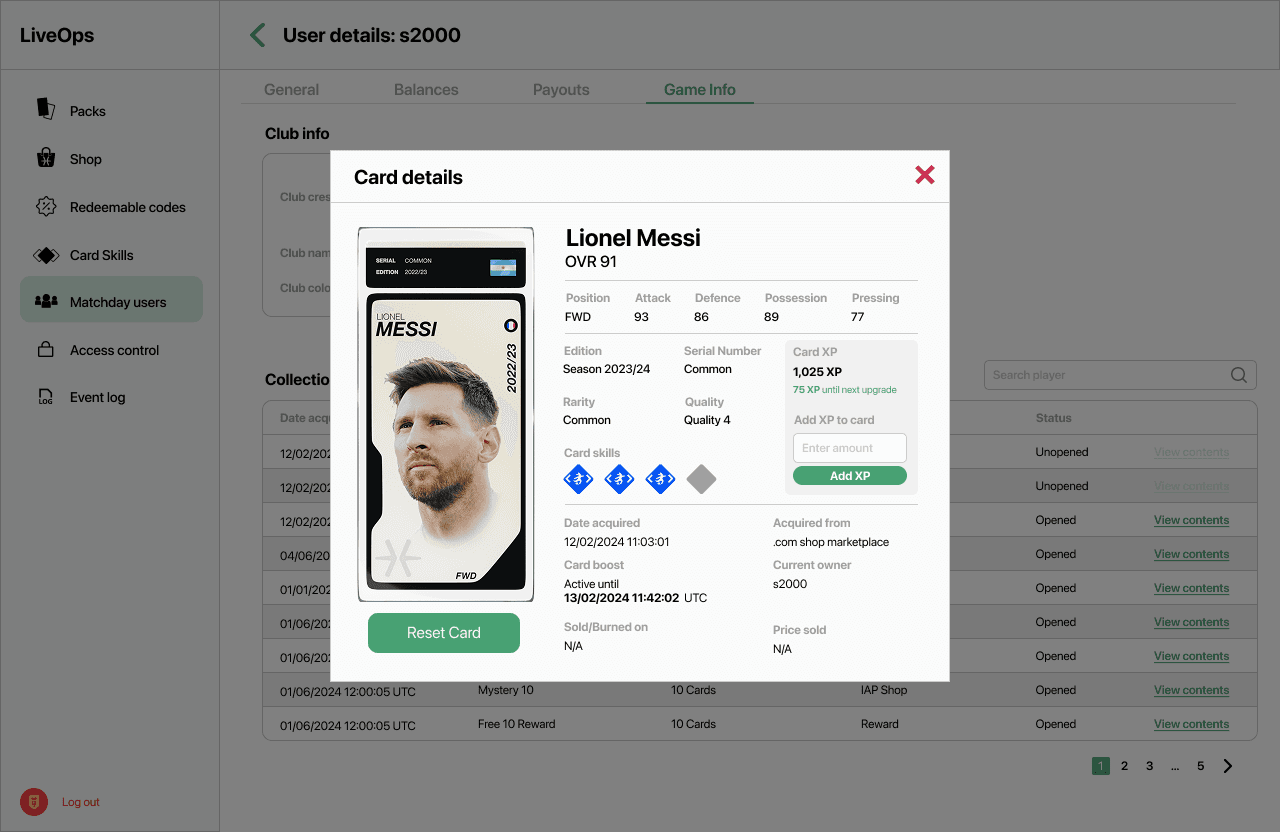
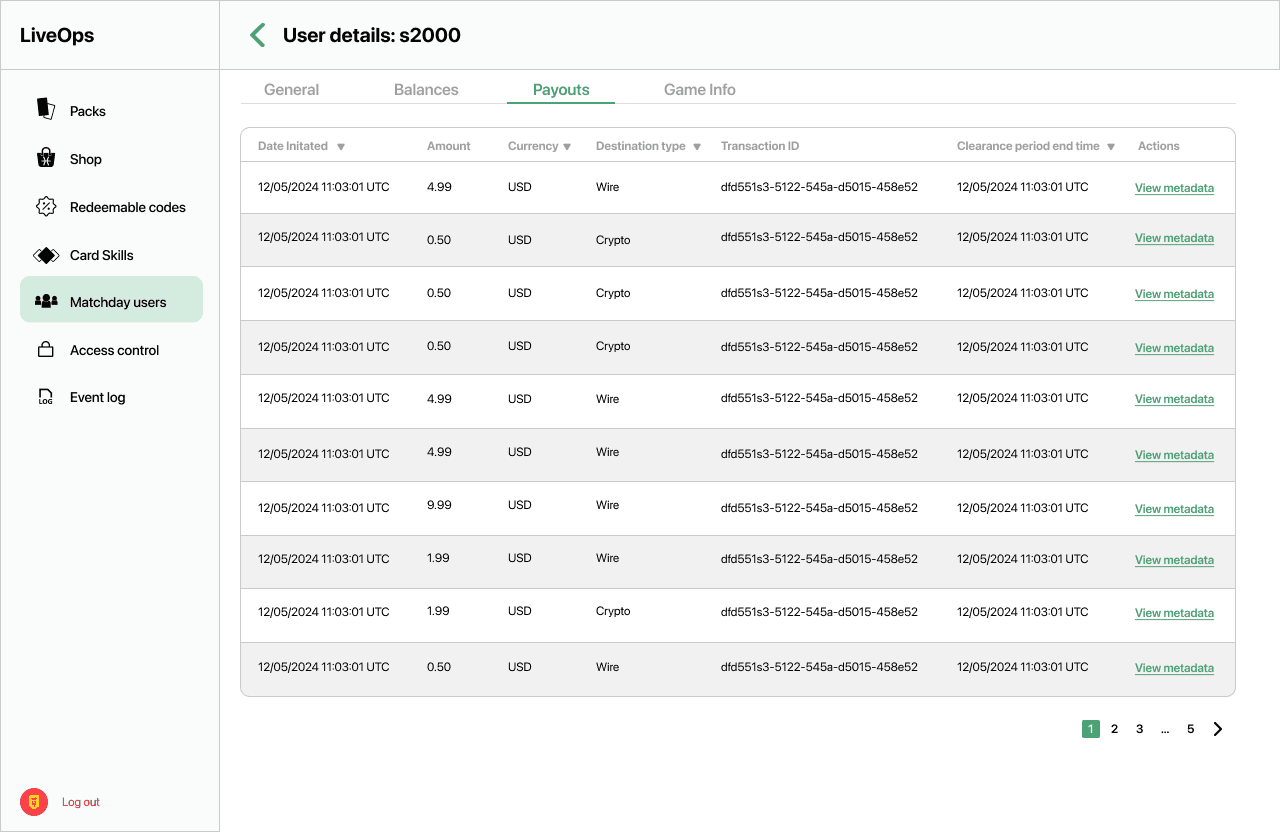
As part of the Internal Admin Tool, I designed a comprehensive User Management experience that empowers internal teams to monitor, audit, and act on player activity with clarity and precision. The system gives admins the ability to flag suspicious or fraudulent accounts, ban users when necessary, and view detailed user histories at a glance. This includes full transaction logs, gameplay data, and a visual record of every footballer card a user has earned or purchased — whether through rewards or the marketplace. The design focuses on surfacing the most important information quickly while keeping interactions intuitive, so teams can act fast without getting lost in complexity. It’s all about combining power with usability to help protect the integrity of the game.