Mobile + Web Design
FIFA 21 : Companion + Web App
Create and customize your dream club anytime, anywhere with the official EA SPORTS™ FIFA 21 Companion App. From stadium customizations like walkout music and goal celebrations to evolving your favorite players into club legends, manage every aspect of your team on the go. Track your progress, claim rewards, engage in the transfer market, and tackle squad building challenges directly from your phone to elevate your Ultimate Team experience.
Role
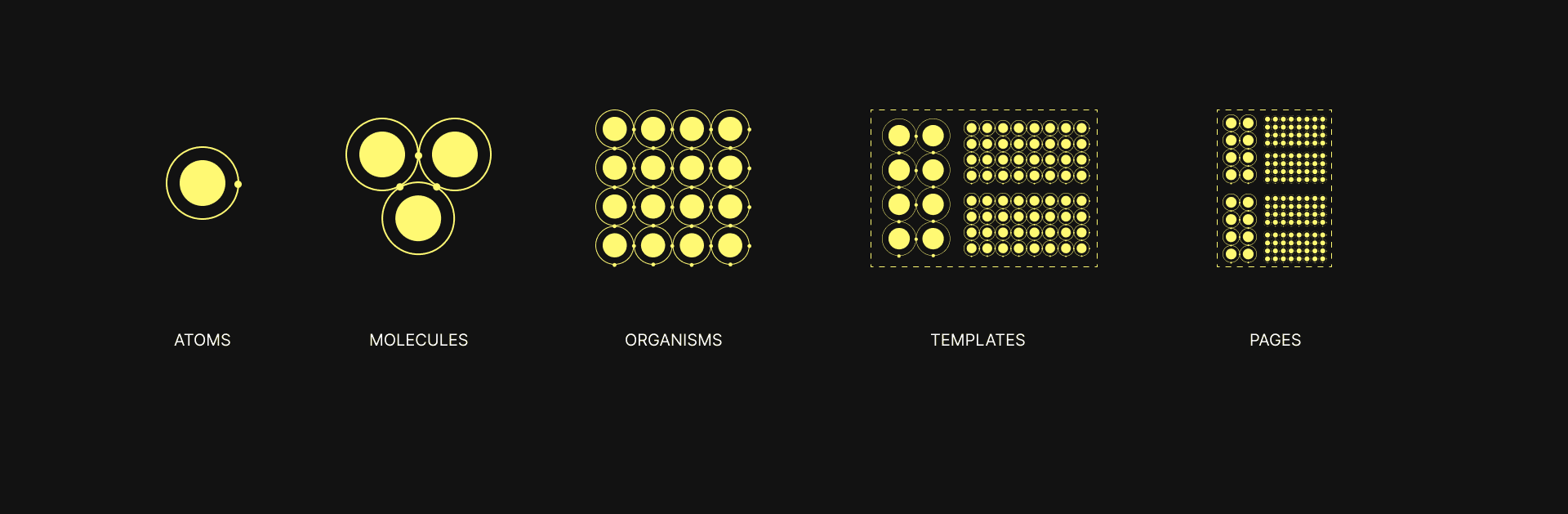
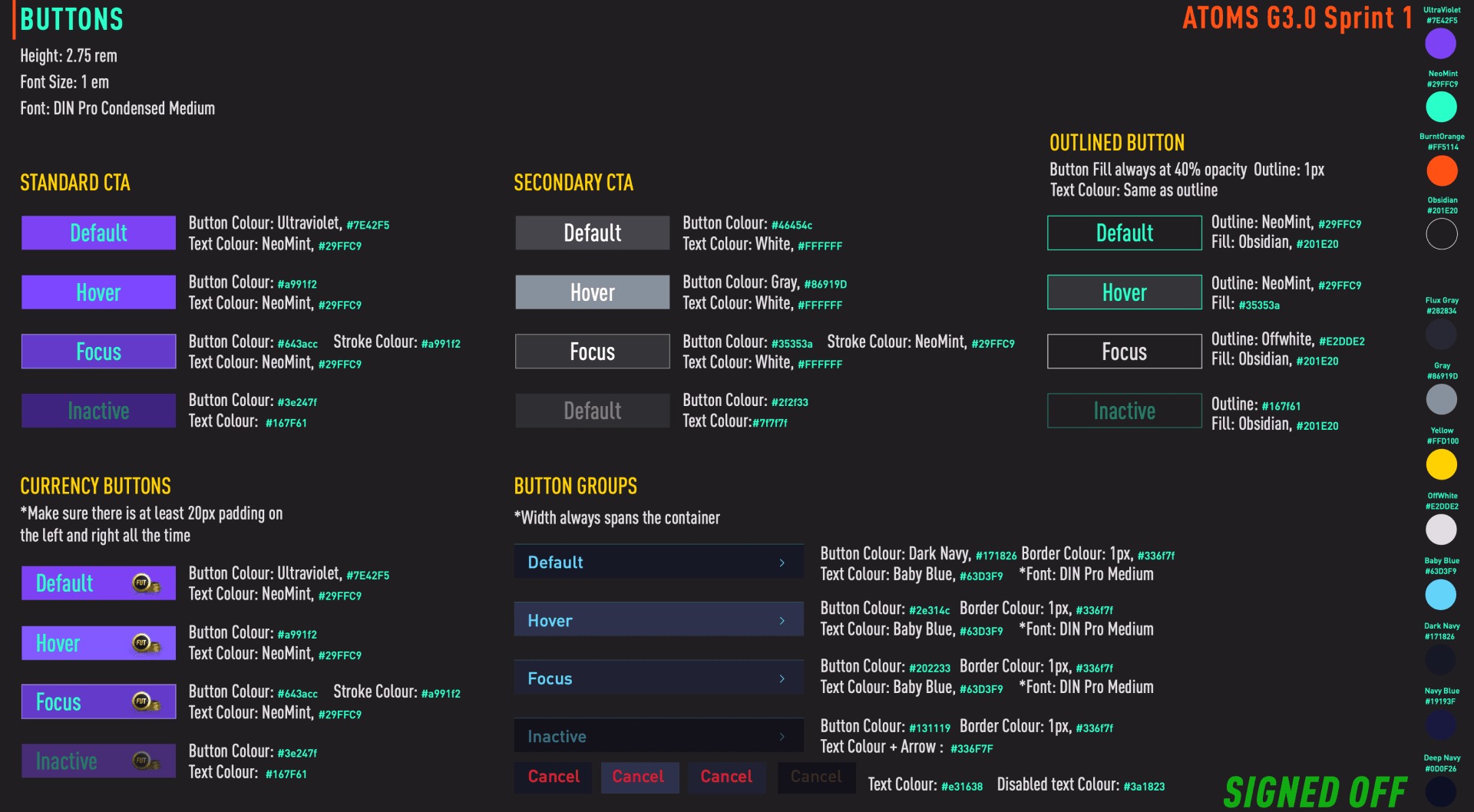
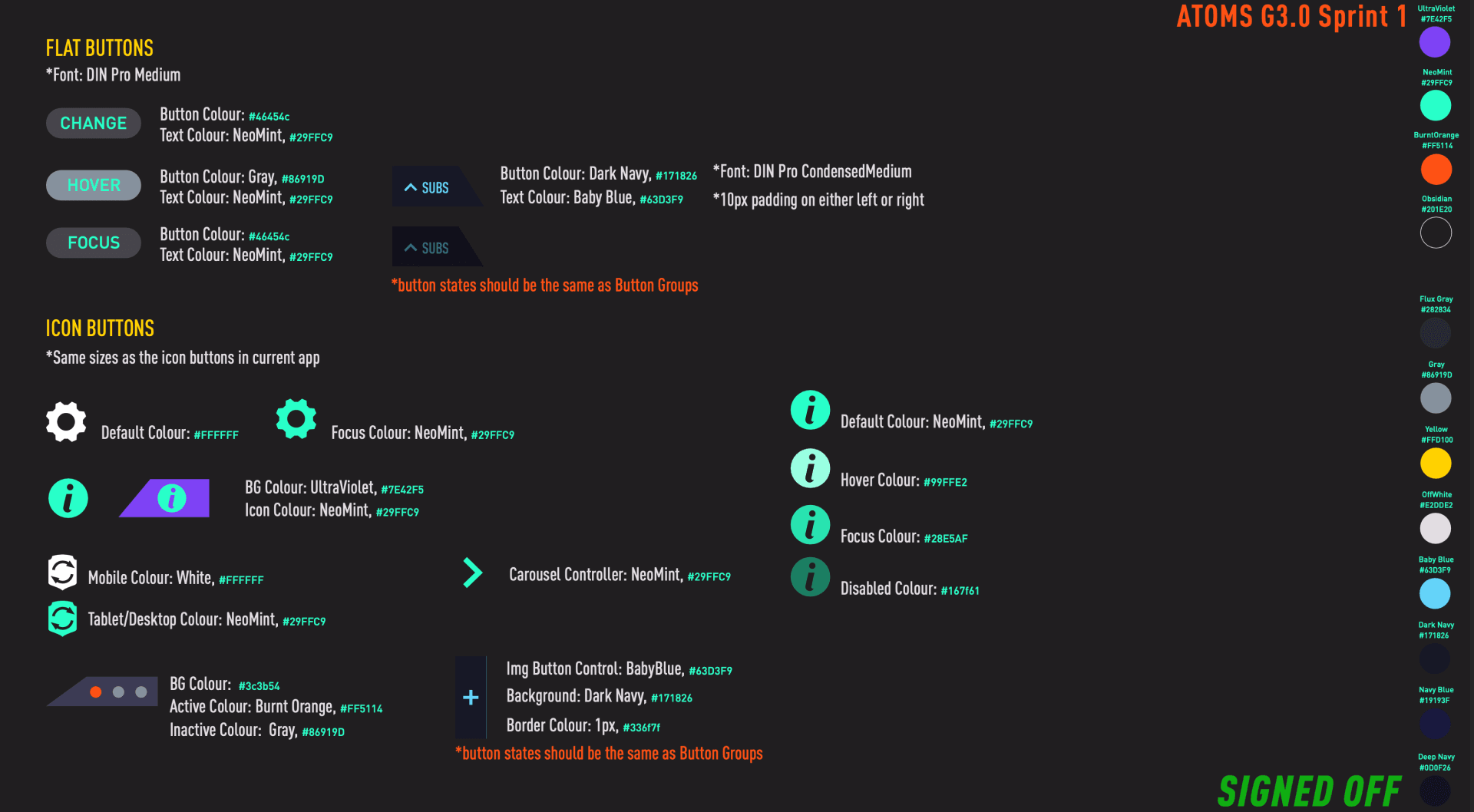
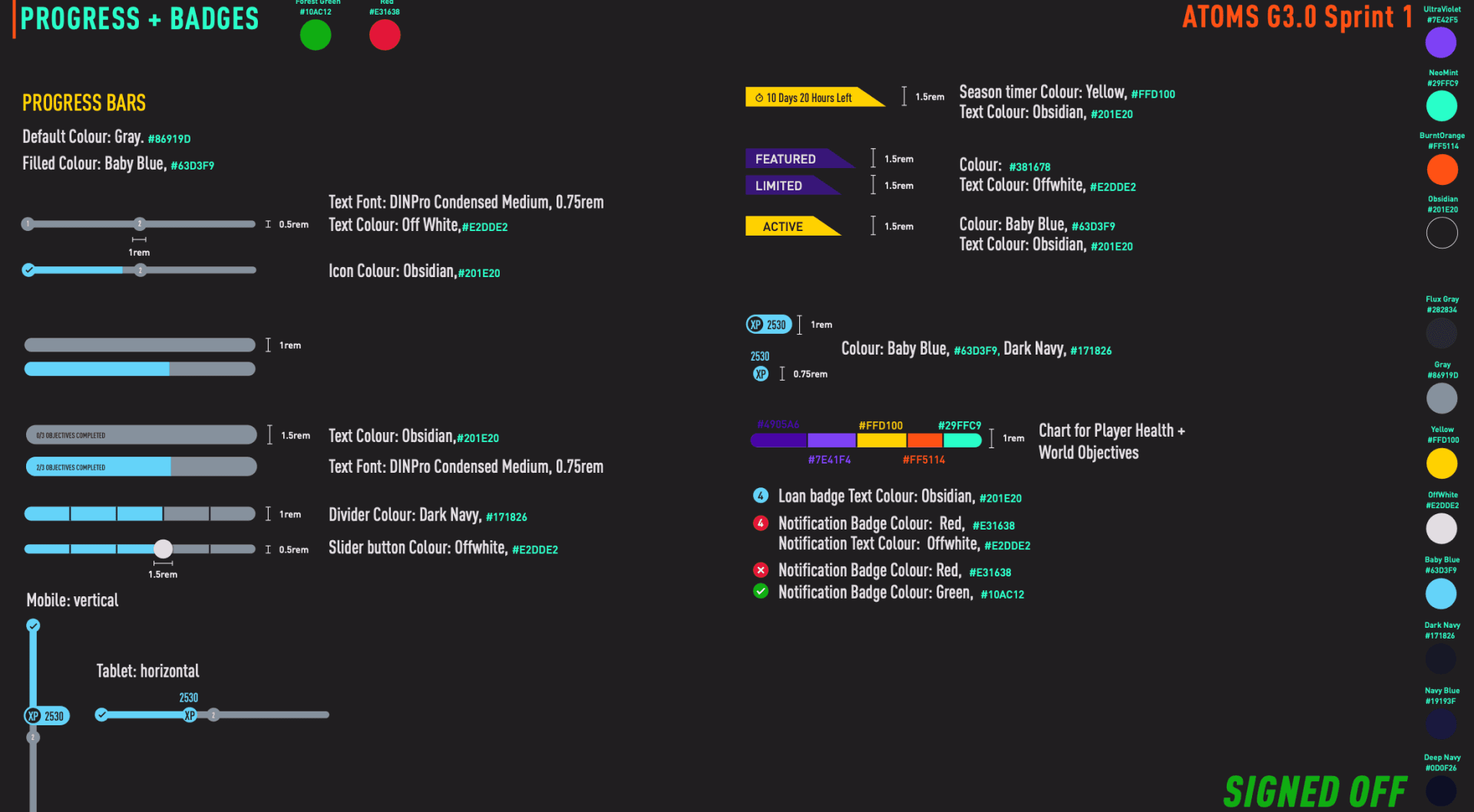
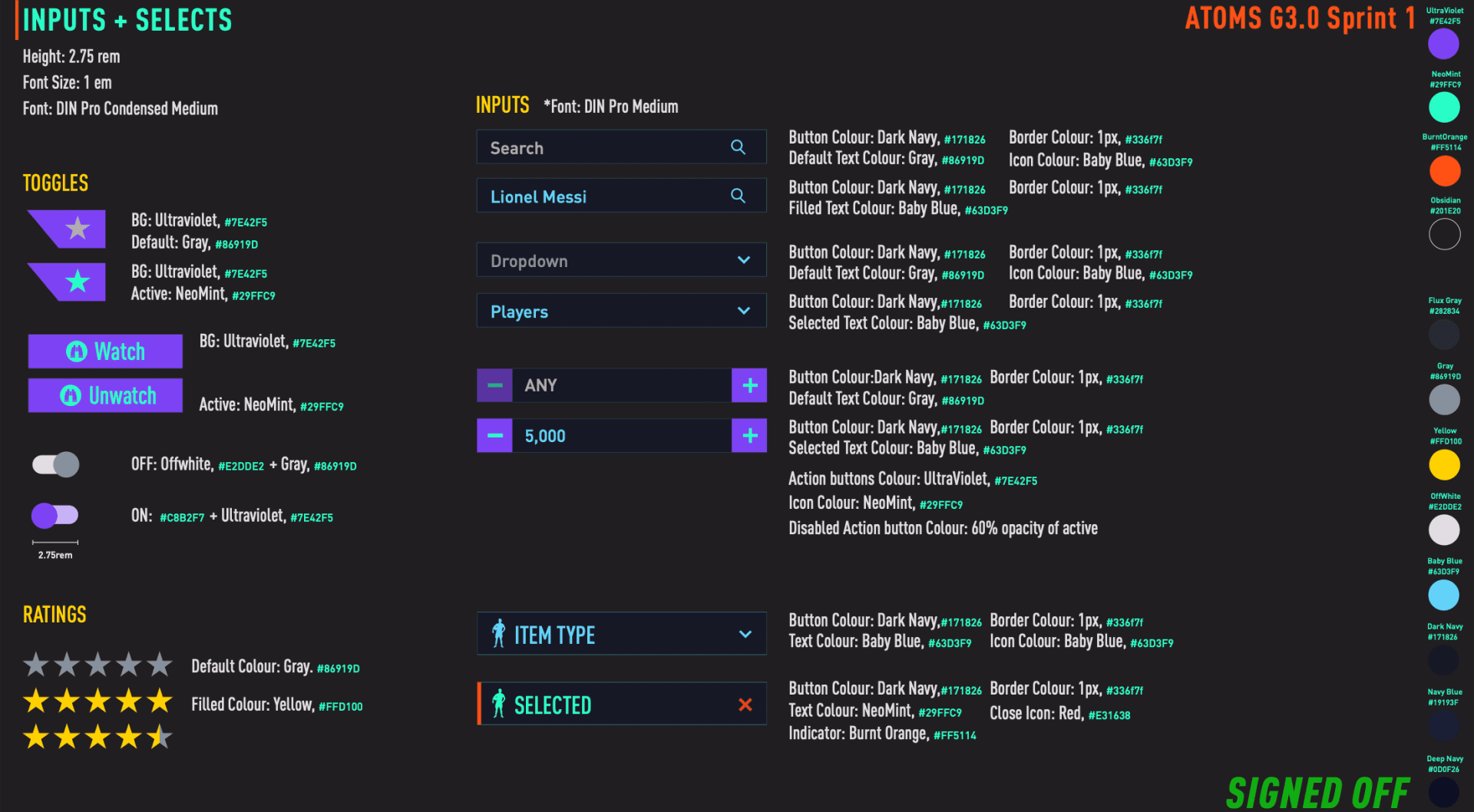
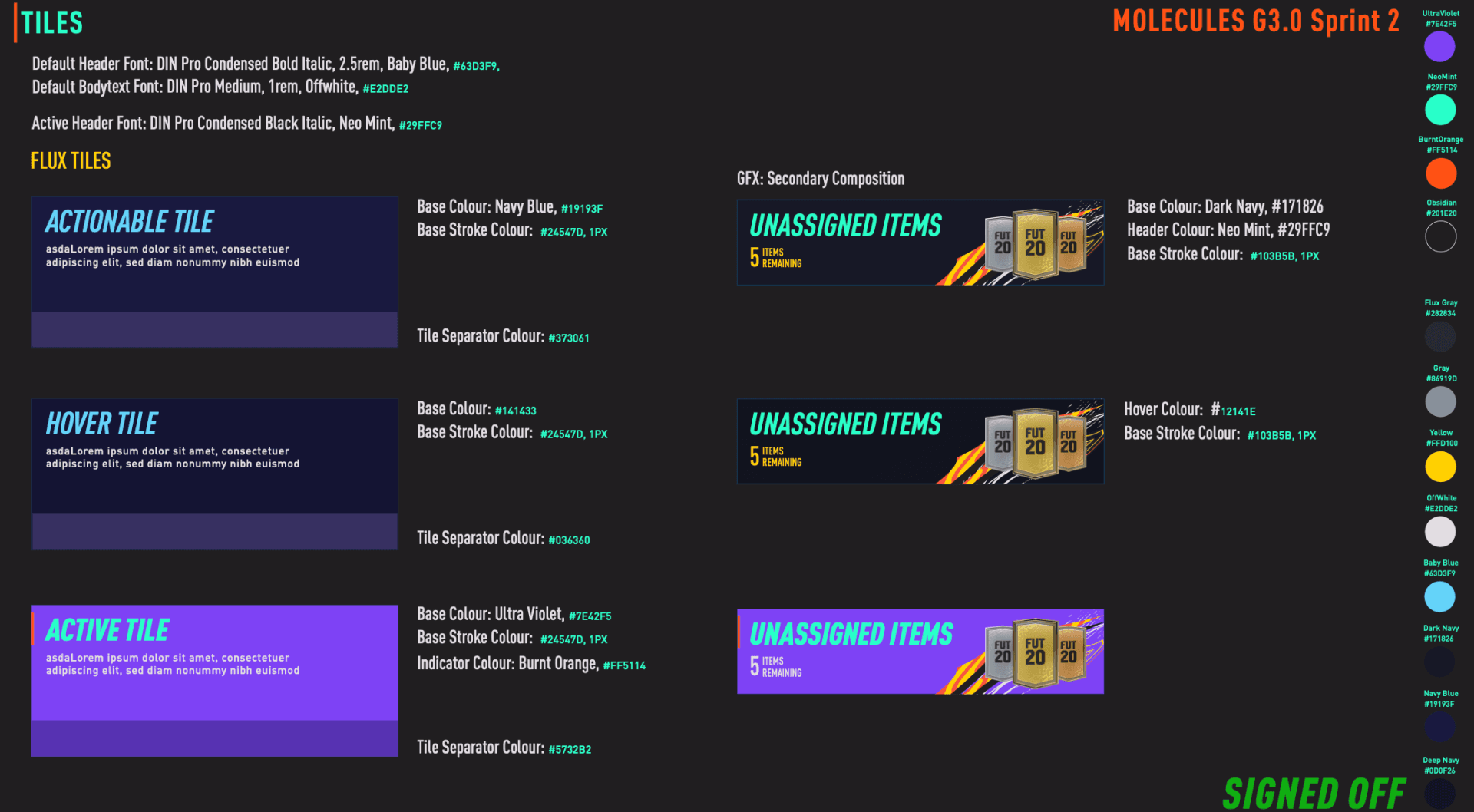
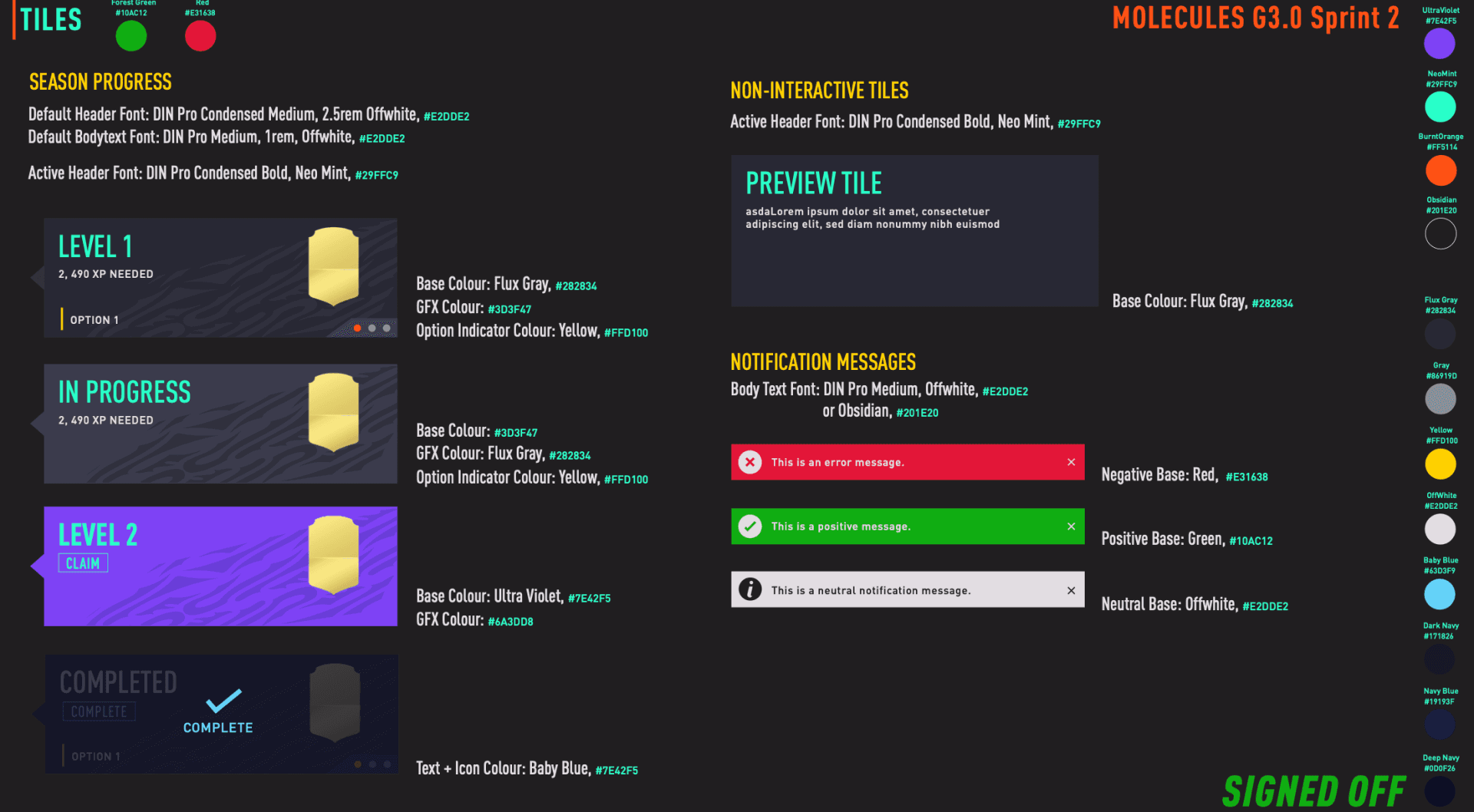
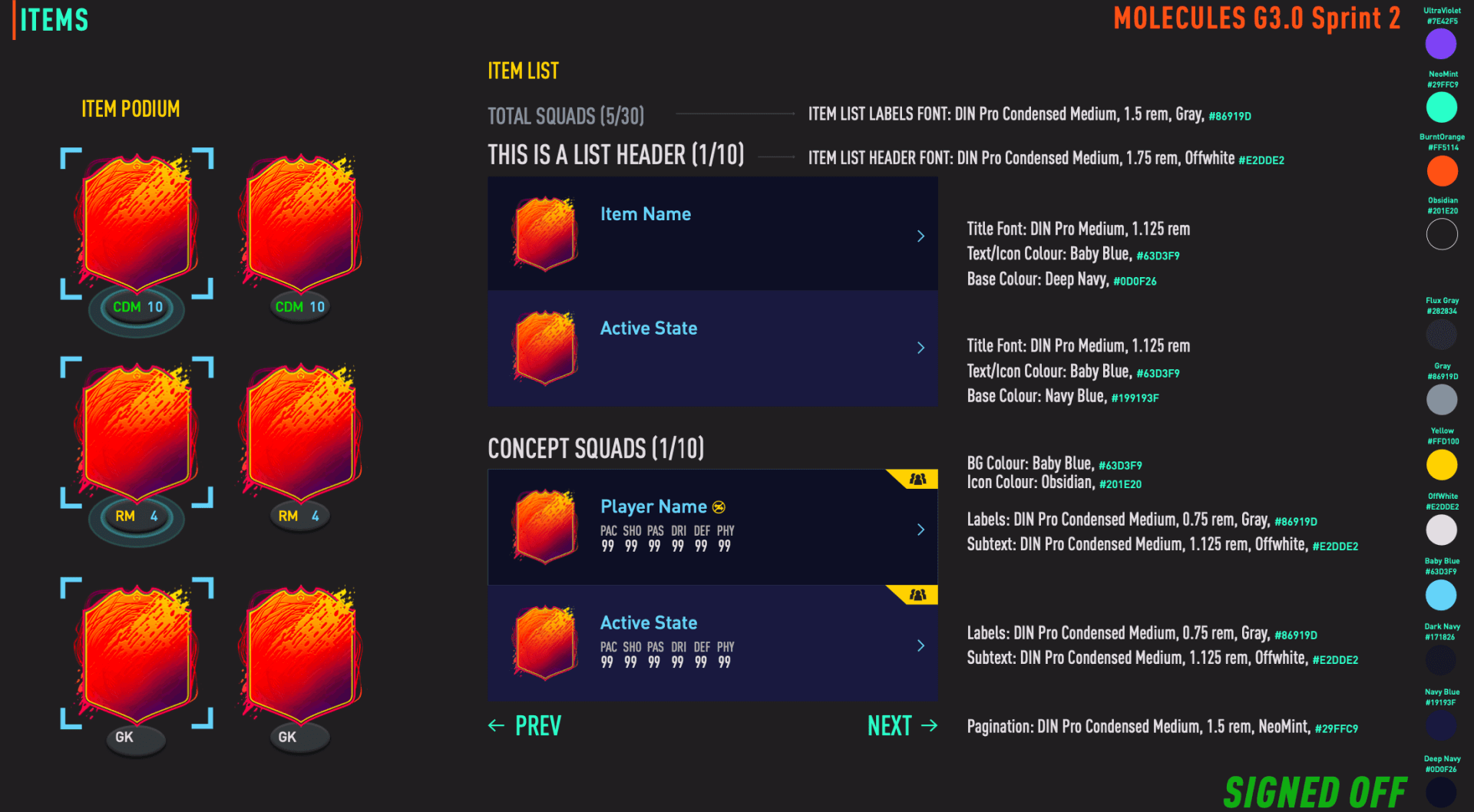
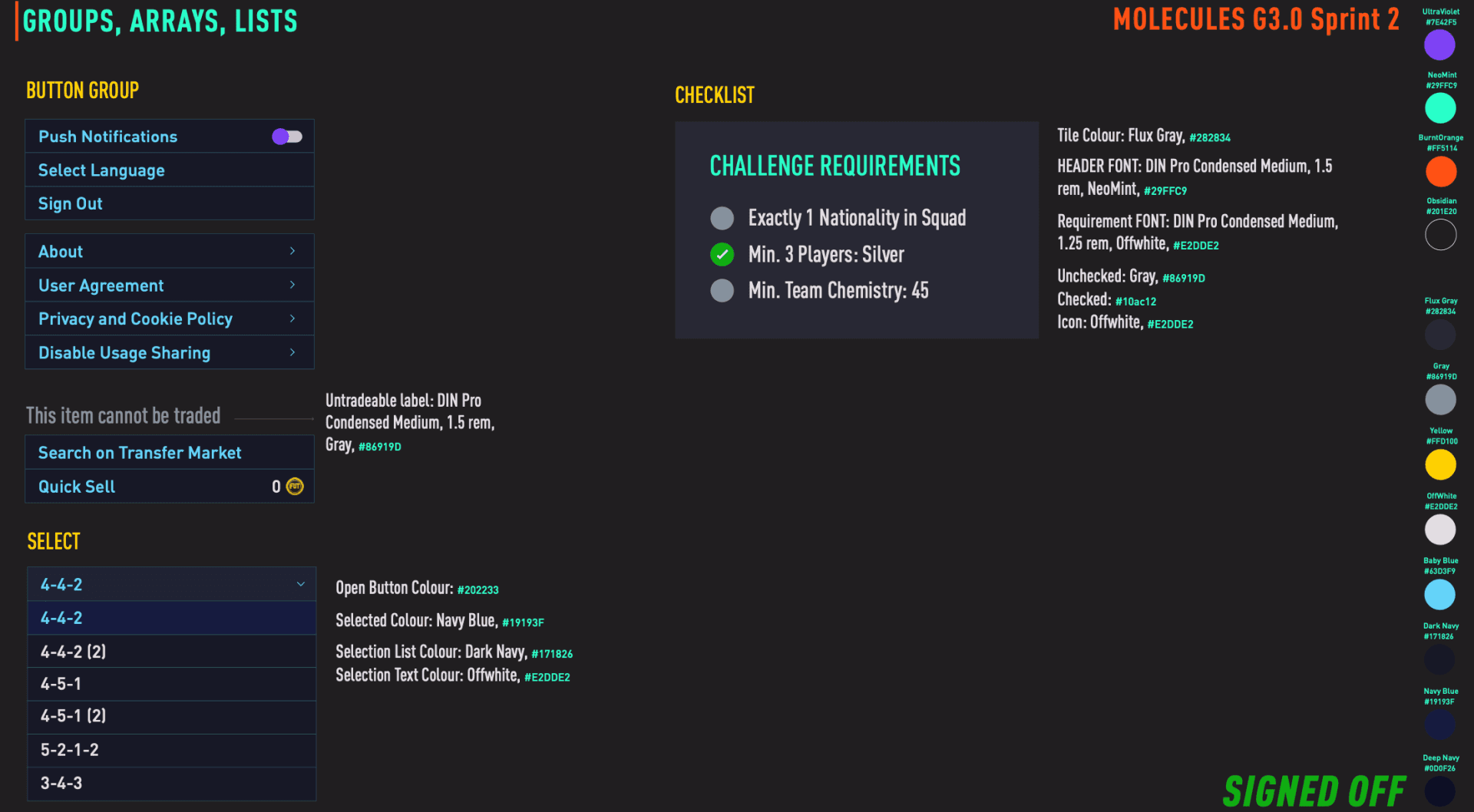
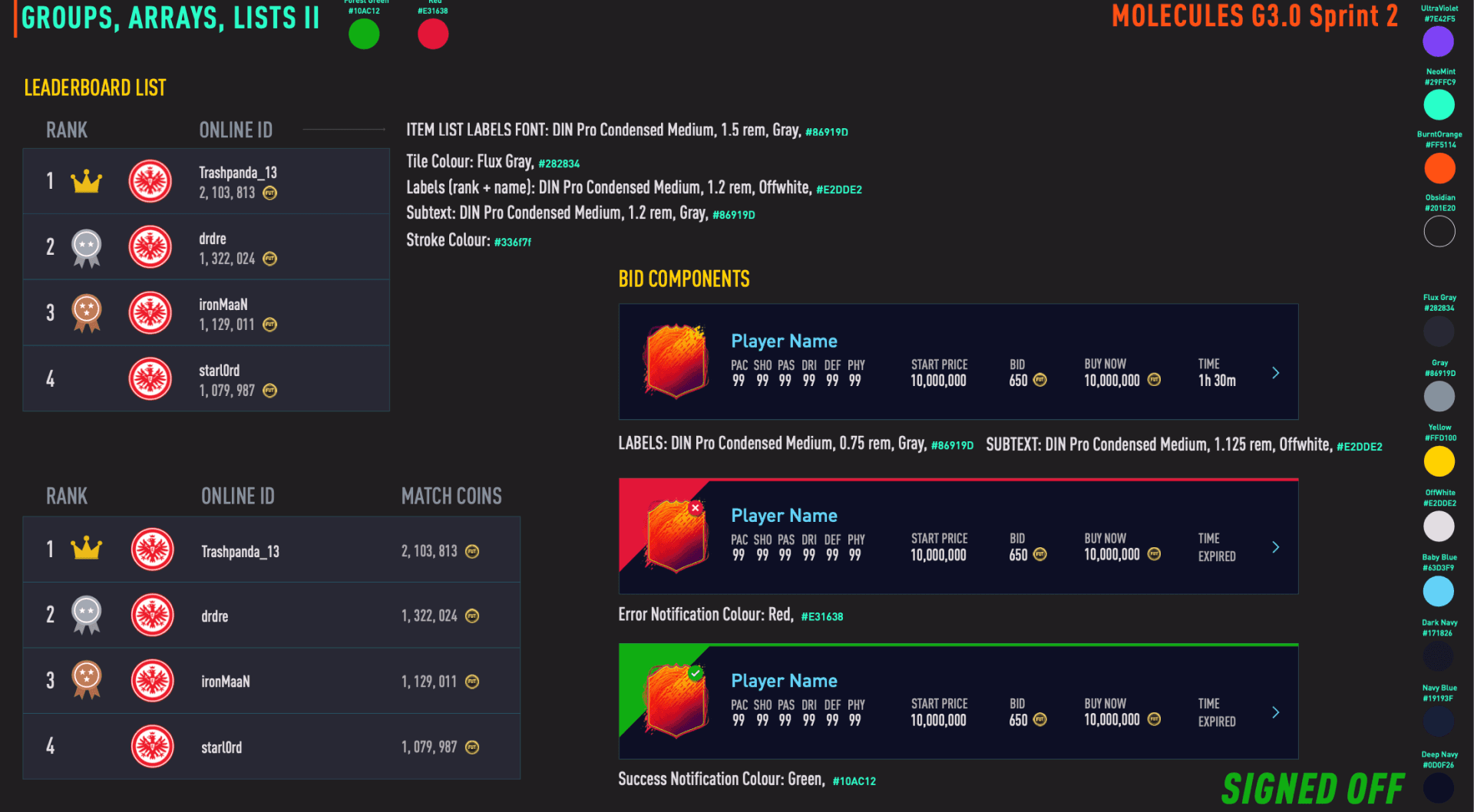
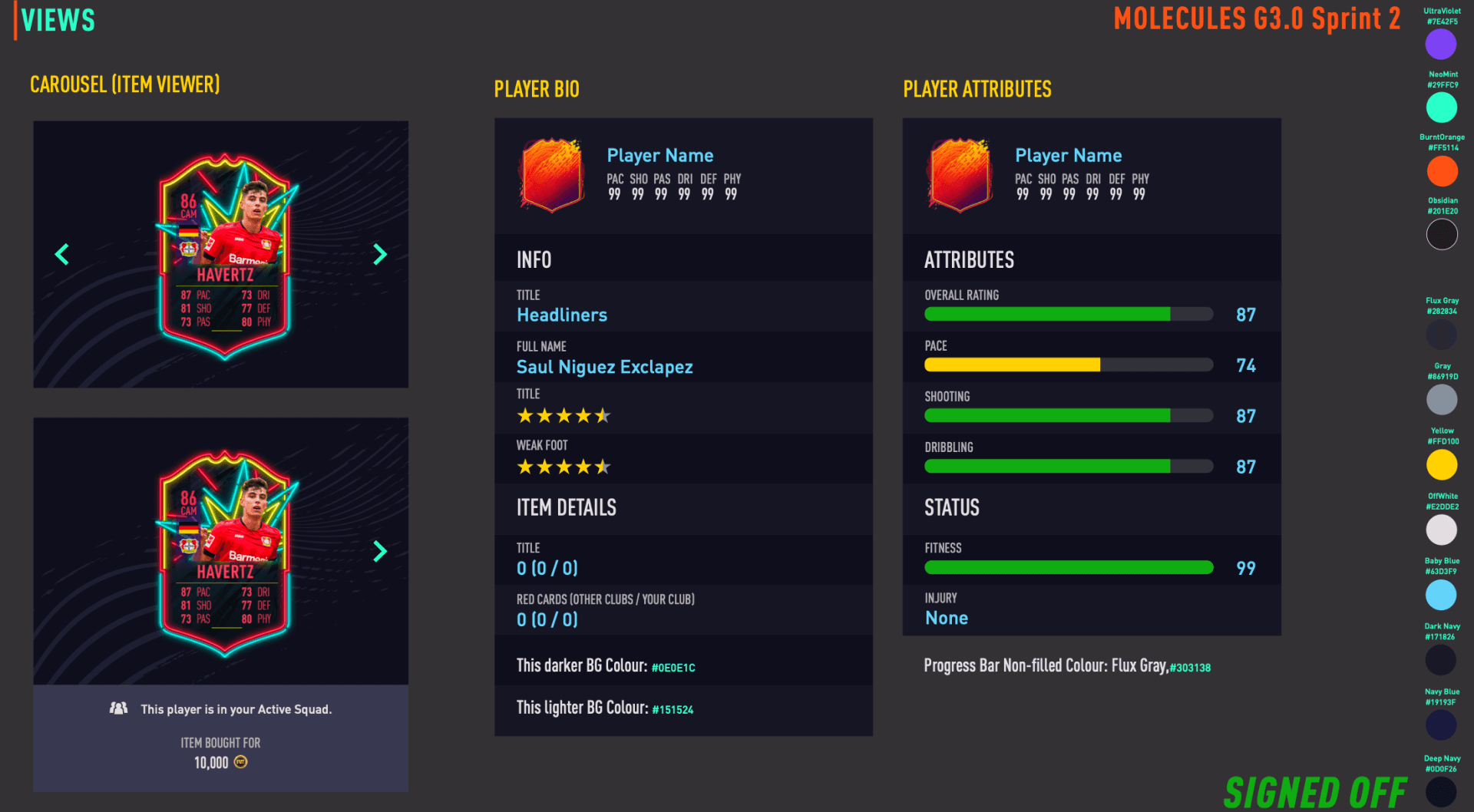
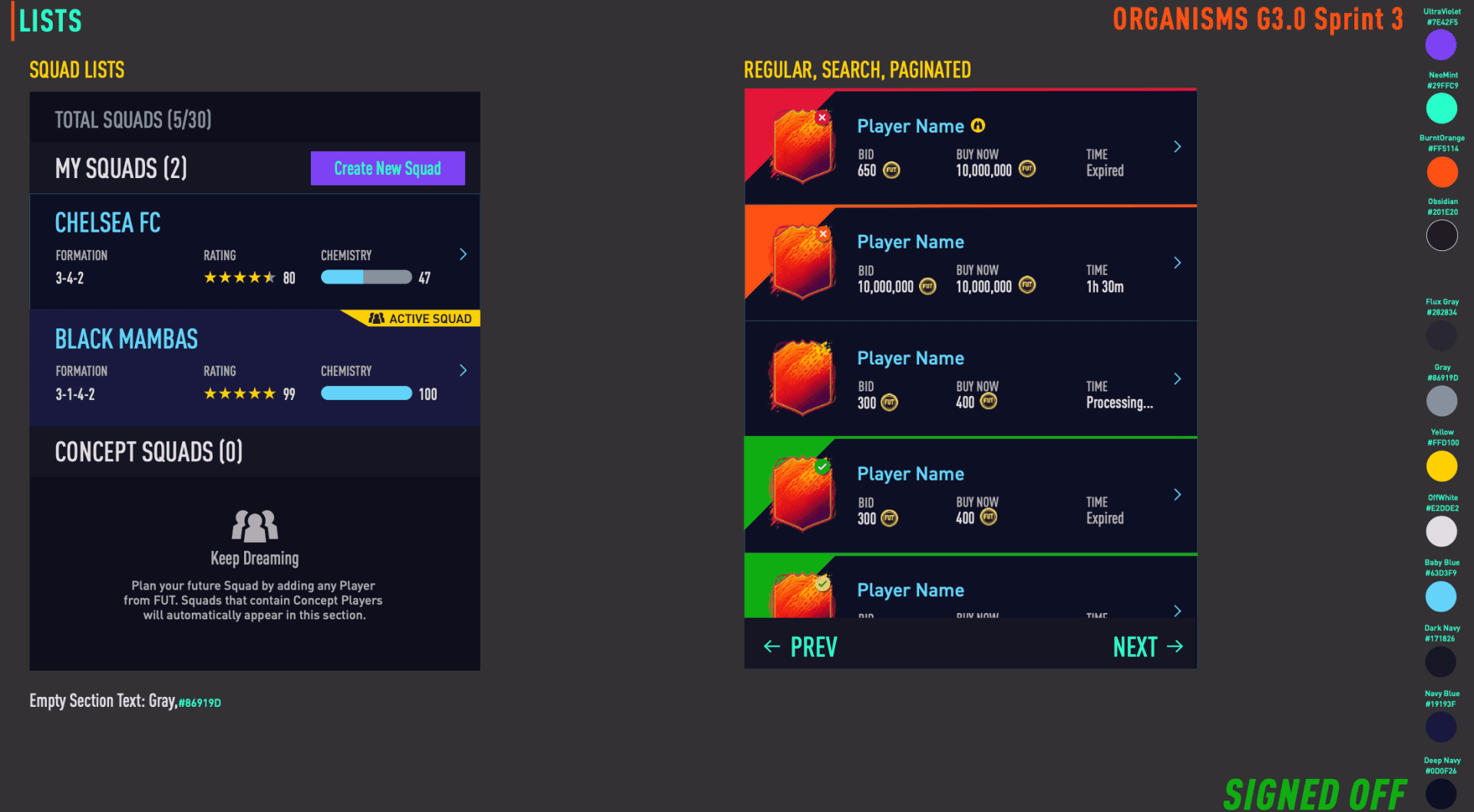
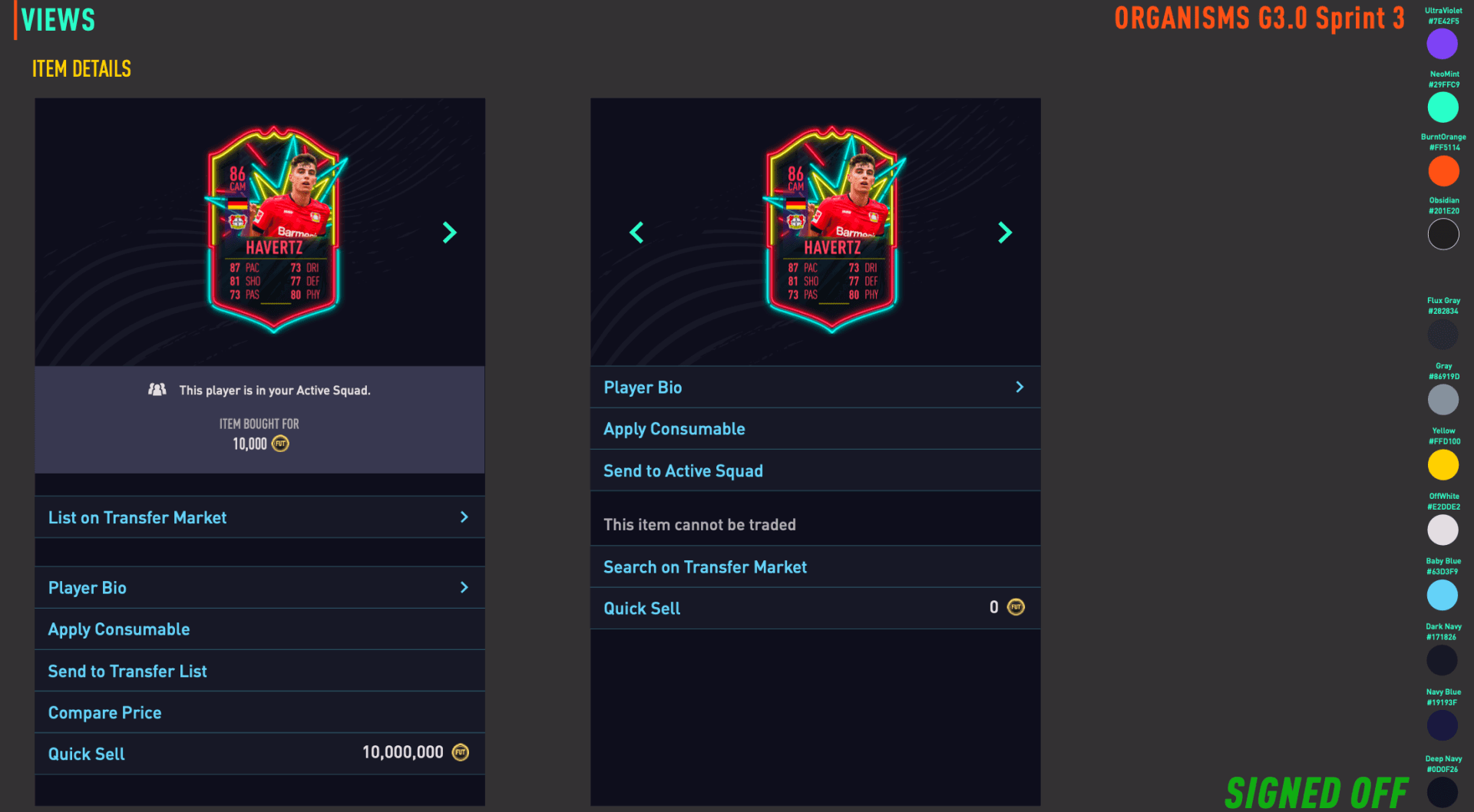
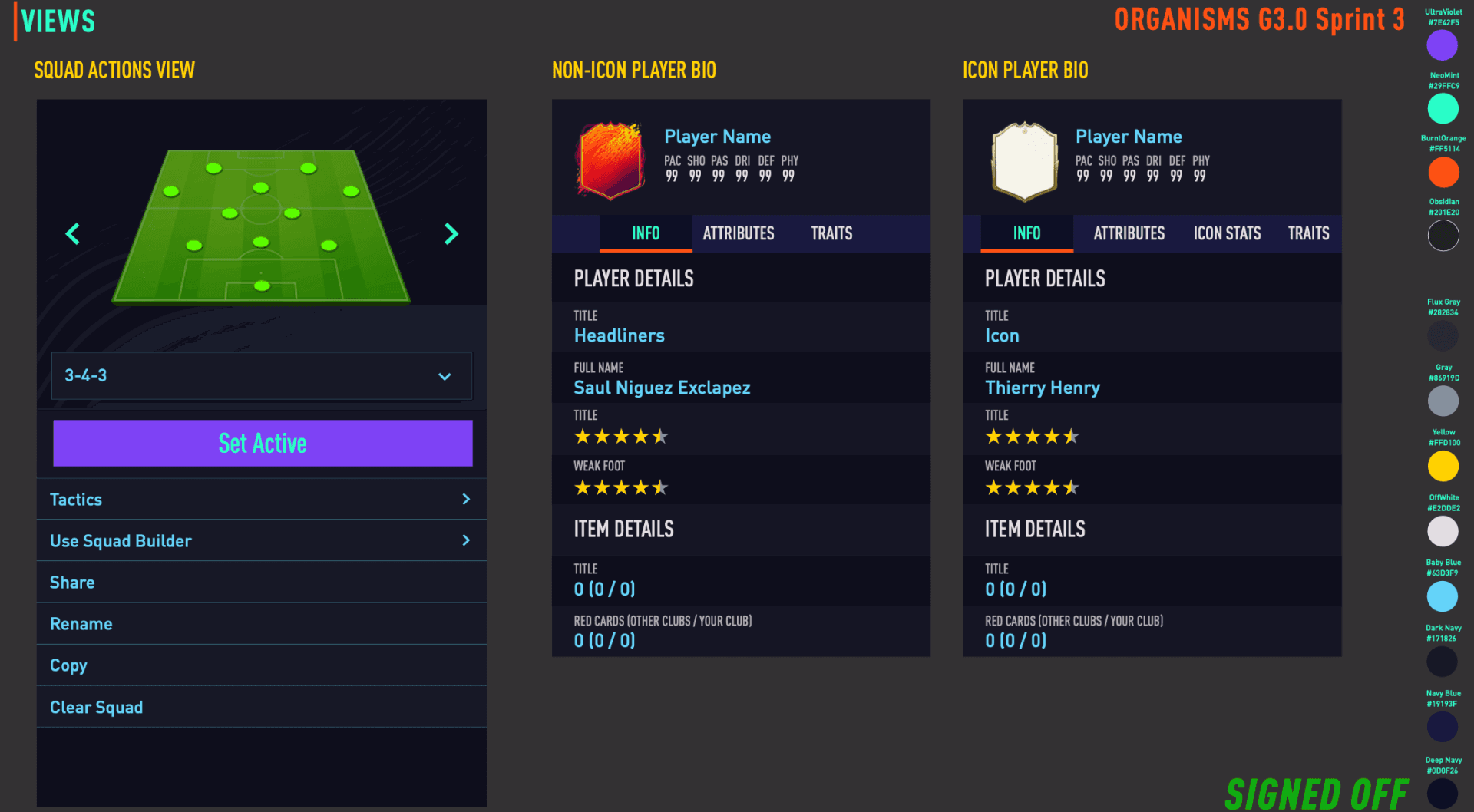
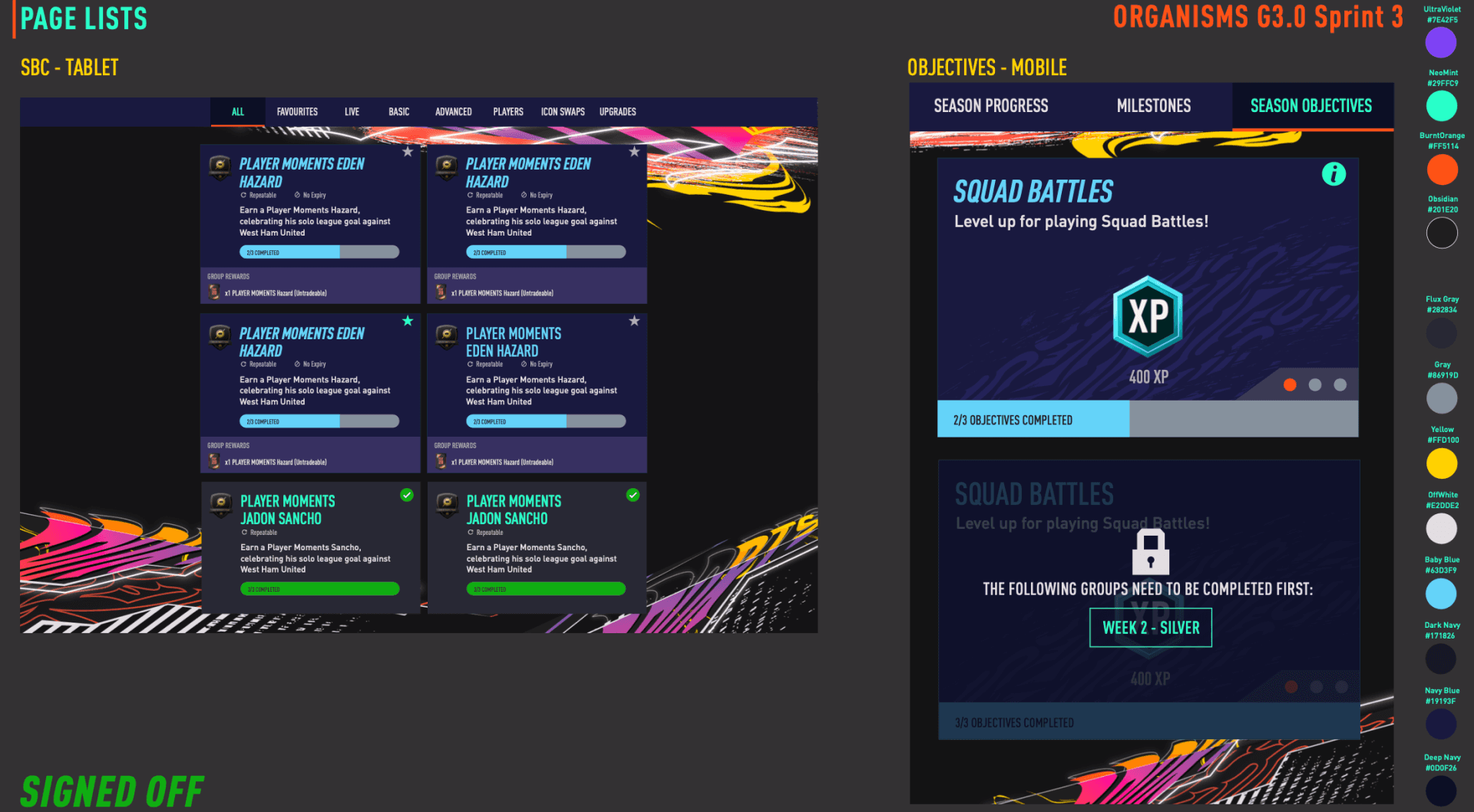
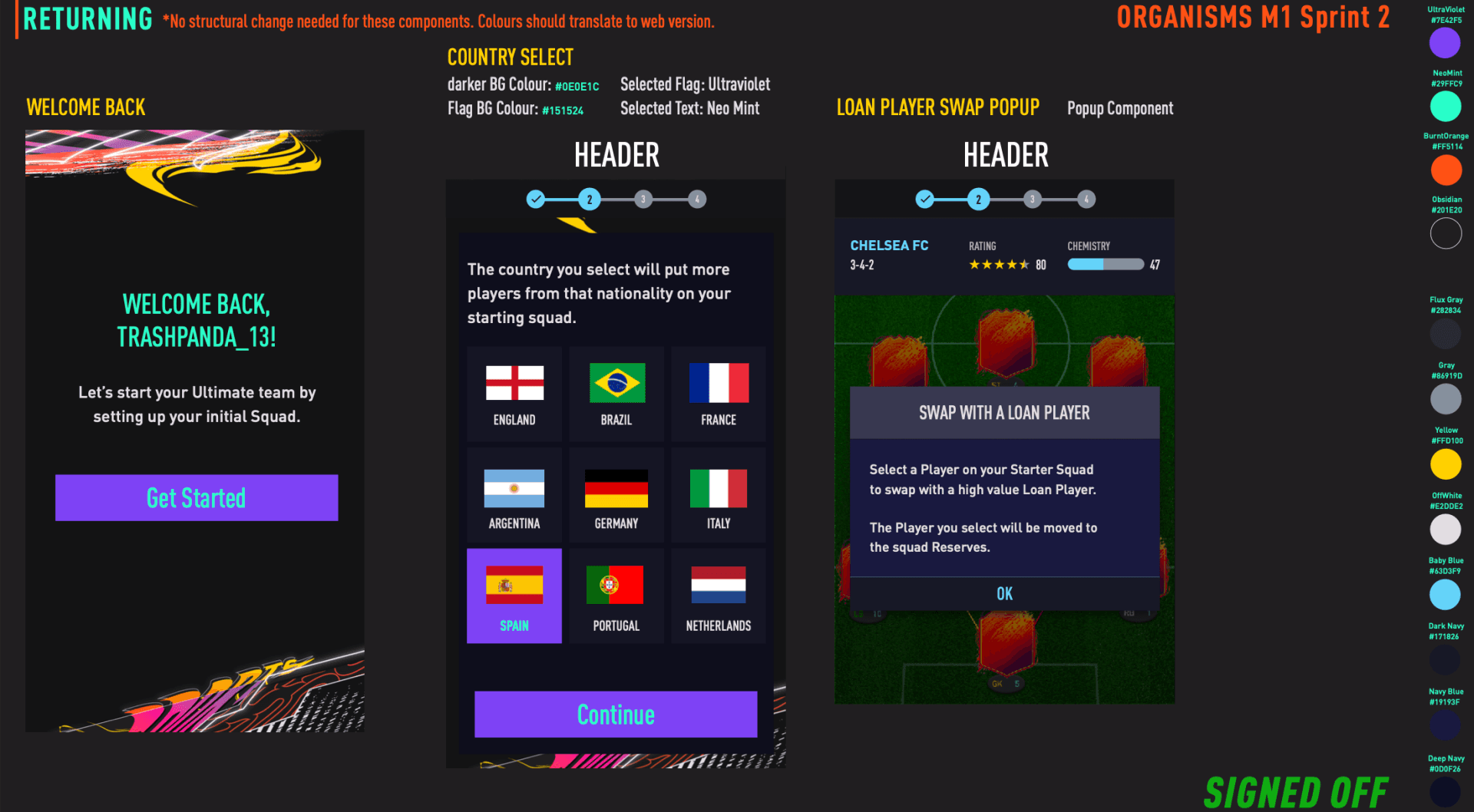
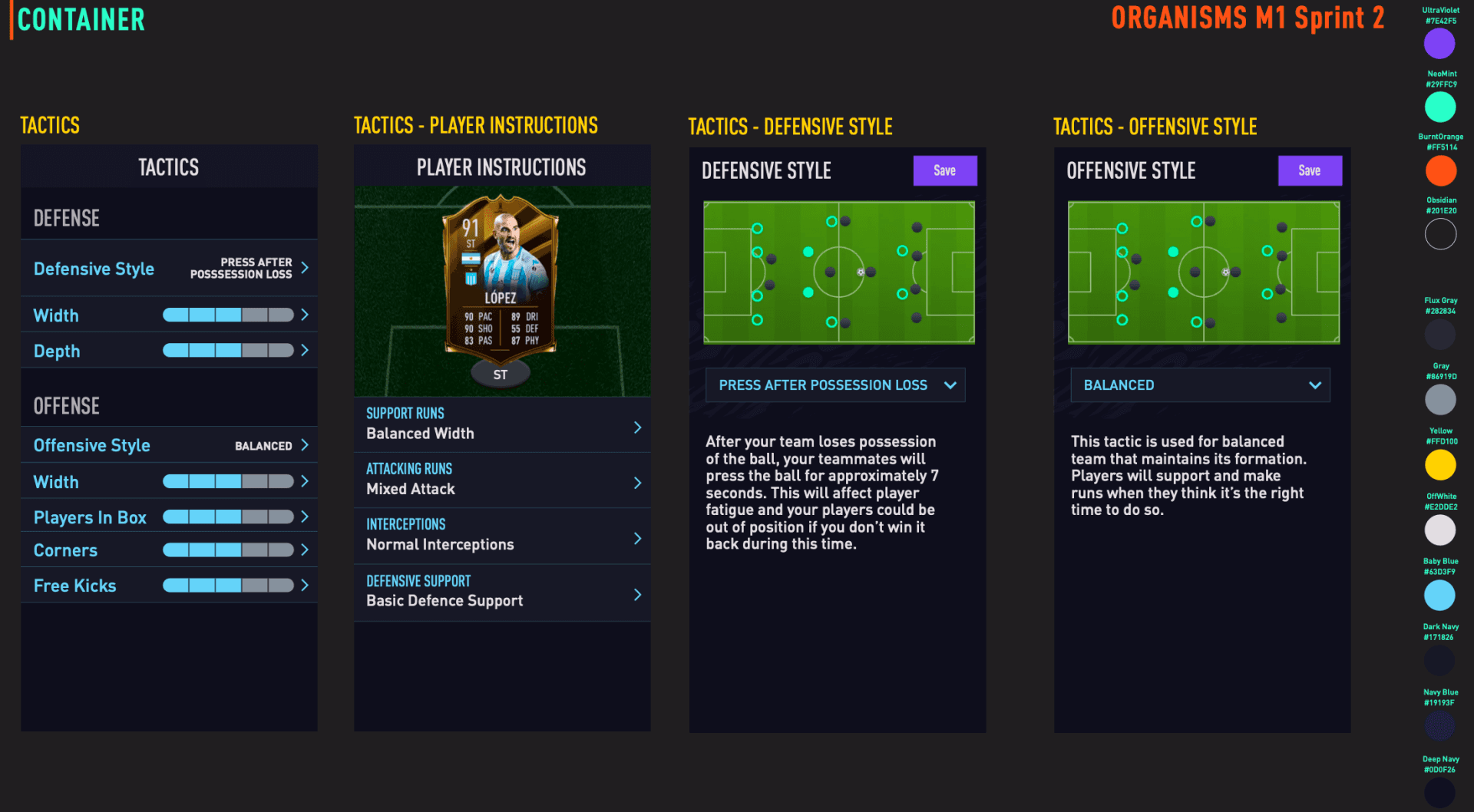
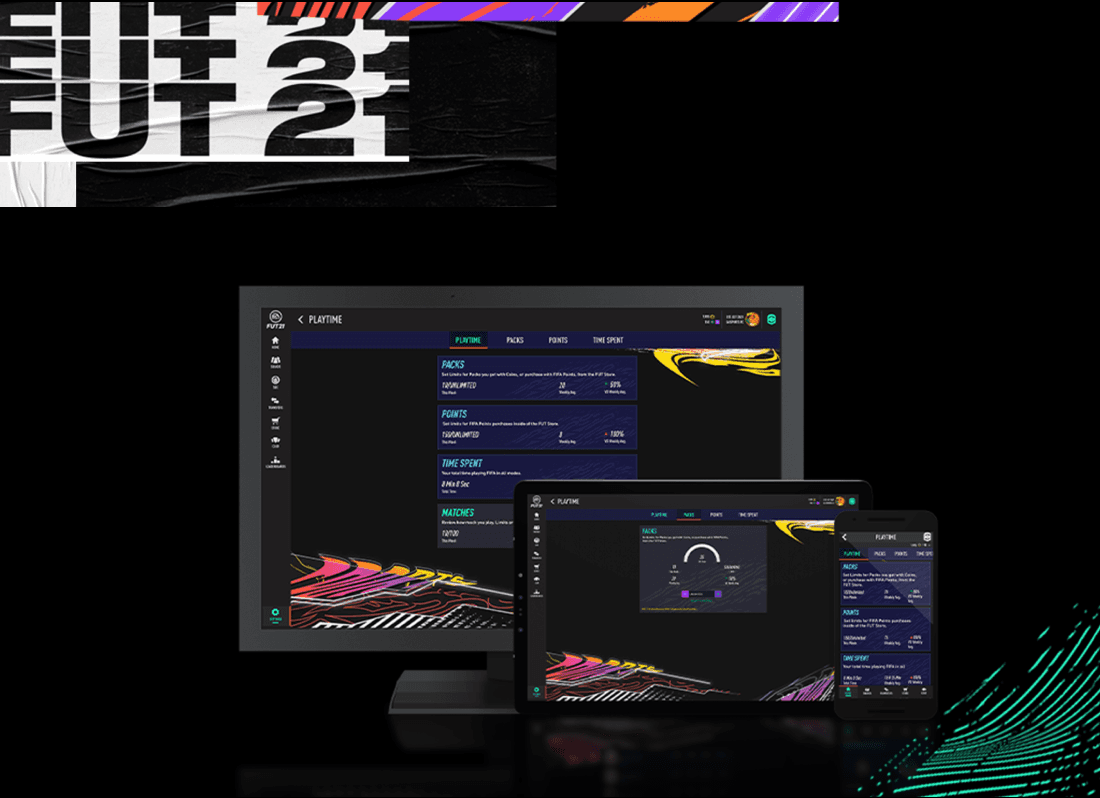
As the sole Associate Interface Designer for EA Sports’ FIFA 21 Companion App team, my primary role involved designing, documenting, and implementing various User Interfaces and elements that enhances our players’ overall user experience on mobile and web. The most notable part of this role was the reskin of the Companion and Web App for FIFA 21 to maintain the same design language as the console game. I also made sure there is some parity between the Companion App / Web App and the console game by translating some new features and bringing them into the mobile interface, such as the new Playtime feature. I have also piloted the use of Atomic Design in the reskin process, speeding up this part of the design process, making it easier for engineers to implement new and existing interface elements.
Approach
As part of my first project, I took the existing process in "reskinning" the app and evaluated it to identify any improvements that can be implemented and speed up the reskin process for the entire team.
In the previous years, the team has been working with a single Photoshop file with hundreds of layers and groups for different screens and states of the Companion/Web App. This made it harder for a designer to reskin individual screens as it was a time consuming task to change individual components in each screen. This was also harder for engineers to implement as they would need a separate styleguide / spec sheets to implement each screens individually.
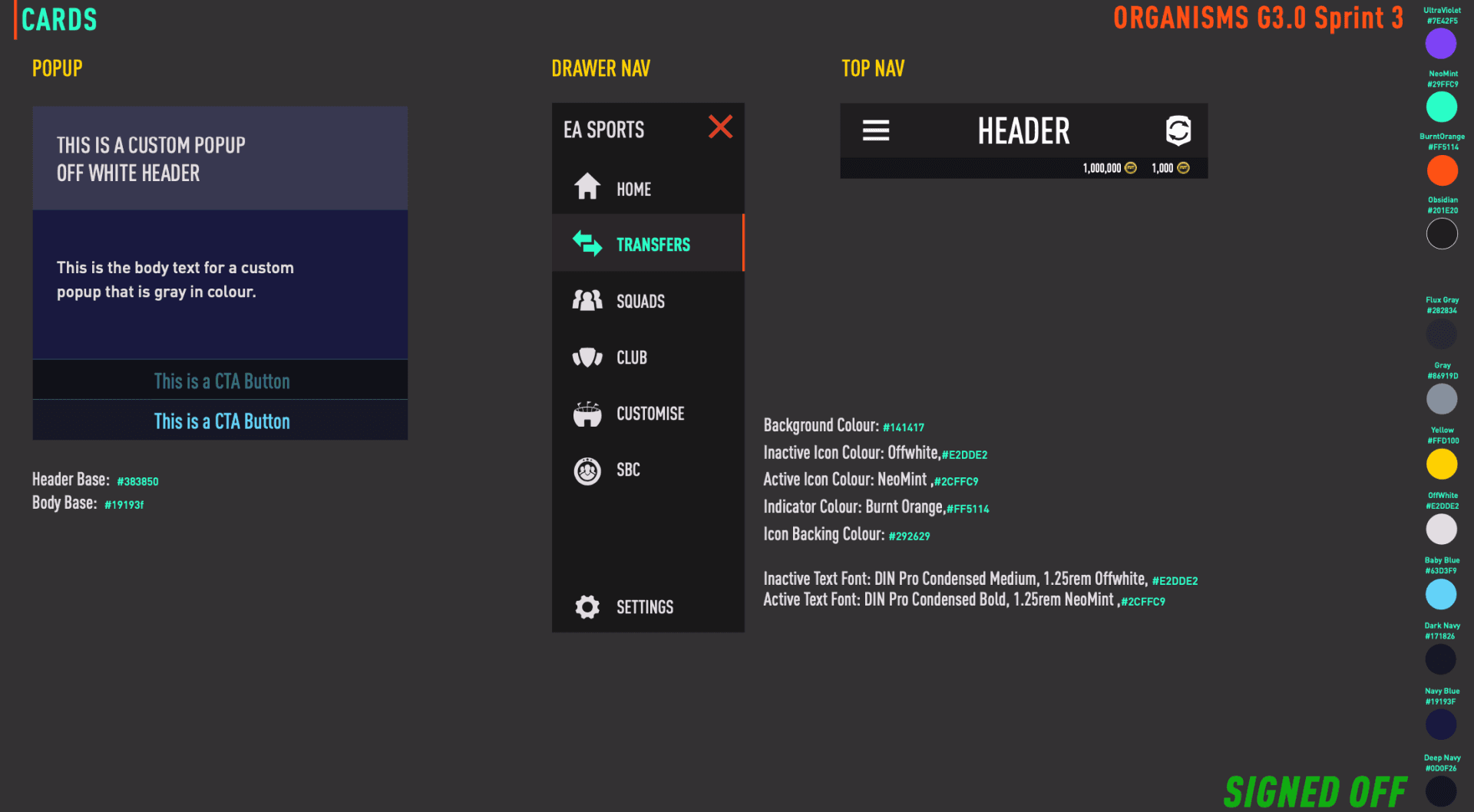
Working with a software engineer, we slowly identified each individual elements that make up the app. These were implemented slowly, which made them global components. Changing the design of one element is reflected throughout the app, instead of individually and manually being changed by a designer / software engineer.
Result
By implementing the Atomic design process, I significantly streamlined and optimized our workflow, making it easier and faster for our software engineers to iterate on design. This not only enhanced collaboration between design and development teams but also resulted in notable time savings. As a result, I was able to reallocate this reclaimed time to work on other projects within the team, contributing to broader initiatives and fostering innovation across the organization.
This process is still being used by the team year after year.